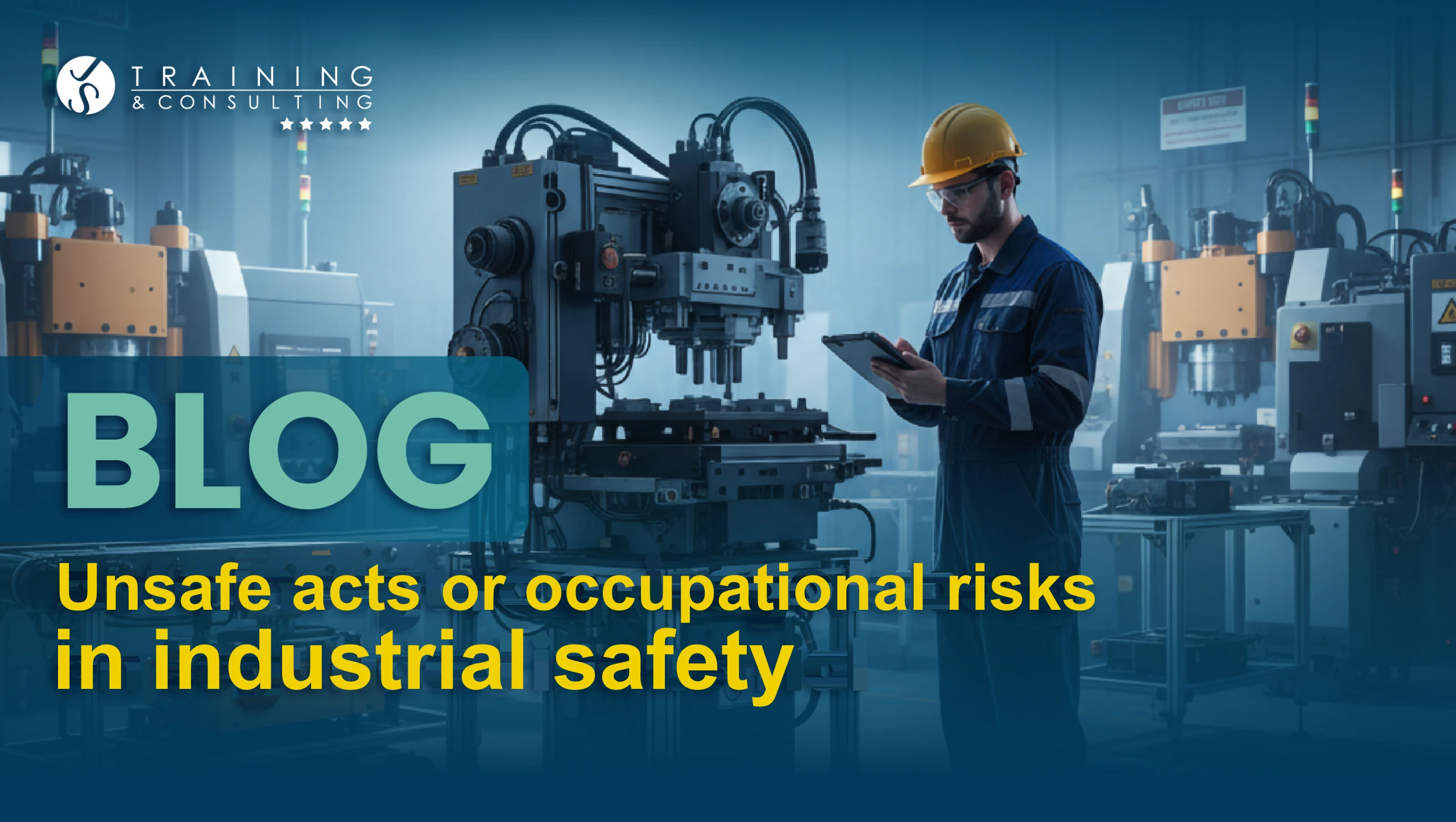
Unsafe Act or Occupational Risk with an Industrial Safety Focus
In today’s business environment, operational stability depends not only on productivity or process efficiency, but also on organizations’ ability to prevent incidents that could affect their workforce and operations. The Industrial Safety has become a strategic pillar directly affecting business continuity, cost reduction and employee protection.
In this context, managing safety properly allows companies to anticipate incidents, strengthen internal processes, and build a stronger, more responsible organizational culture.
The importance of industrial safety in businesses
Safety should be seen as a strategic investment as well as a regulatory requirement. When a company prioritizes prevention, it protects its workers and ensures operational continuity.
One proper management of industrial safety enables:
- Reducing accidents within the work environment
- Minimize economic losses from incidents
- Decrease operation interruptions
- Building staff confidence
- Improve regulatory compliance
According to Revista Médica del Instituto Mexicano del Seguro Social (IMSS), the associated risks in the work environment have a significant impact on both workers’ health and organizational productivity, reinforcing the importance of implementing robust preventive strategies within industrial safety.
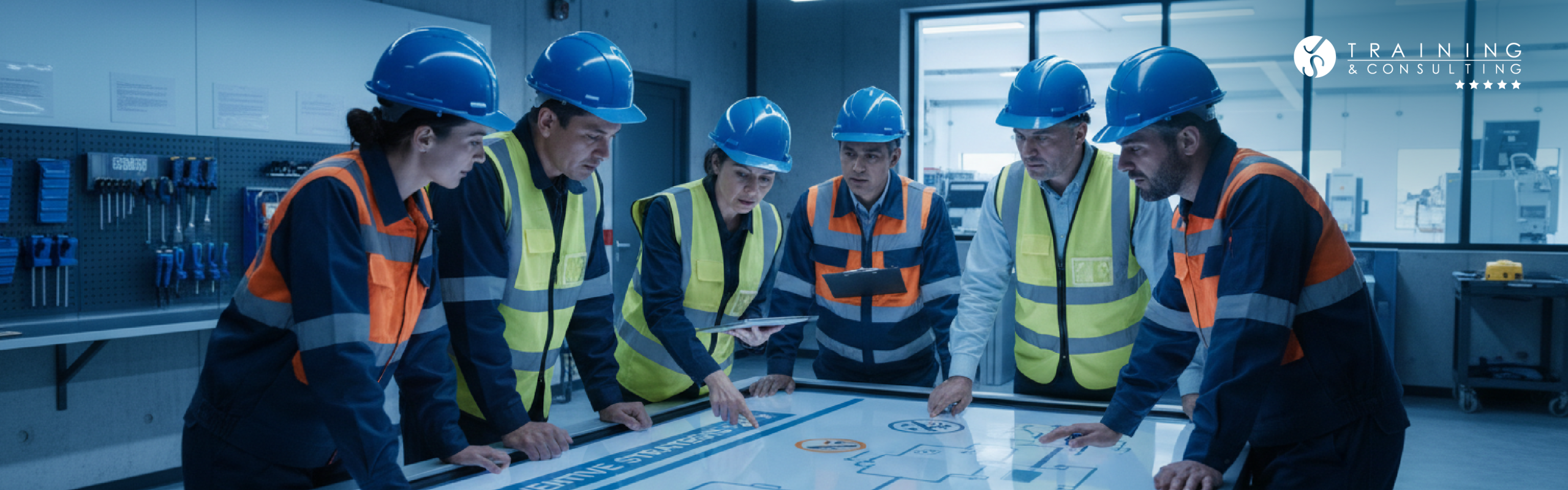
Proactive identification and mapping of occupational risks to create safe work environments.
Risk conduct within the work environment
In any workplace, human actions can increase the likelihood of incidents. These behaviors are often related to insufficient training, overconfidence or failure to follow established industrial safety protocols.
In many cases, errors do not come from a lack of tools, but from bad habits that recur in daily operations. Therefore, identifying these behaviors is essential to reducing incidents.
- Misuse of personal protective equipment
- Omission of safety procedures
- Inadequate handling of machinery
- Distraction during operational activities
- Non-compliance with internal standards
These actions, while common, can generate significant consequences if they are not corrected in time through ongoing industrial safety training.
Unsafe Conditions in Workspaces
In addition to human behaviour, factors exist within the work environment that increase the likelihood of incidents related to industrial safety. These conditions are usually linked to infrastructure, maintenance or operational planning malfunctions.
Between The most common they are found:
- Equipment Without Proper Maintenance
- Inadequate or Poorly Designed Facilities
- Exposure to Hazardous Substances
- Unergonomic work spaces
- Lack of signage or access control
Identifying these conditions enables companies to act preventively and strengthen their safety system.
Training as an axis of industrial safety
One of the most important factors in incident reduction is continuous training. The companies that invest in specialized training have been able to develop a more robust and conscious preventive culture.
Industrial safety training enables:
- To improve decision-making in the work environment
- To strengthen emergency response
- Increasing compliance with protocols
- To reduce operational errors
- To promote individual and collective responsibility
When employees understand the importance of industrial safety, the organization becomes more efficient and safer.
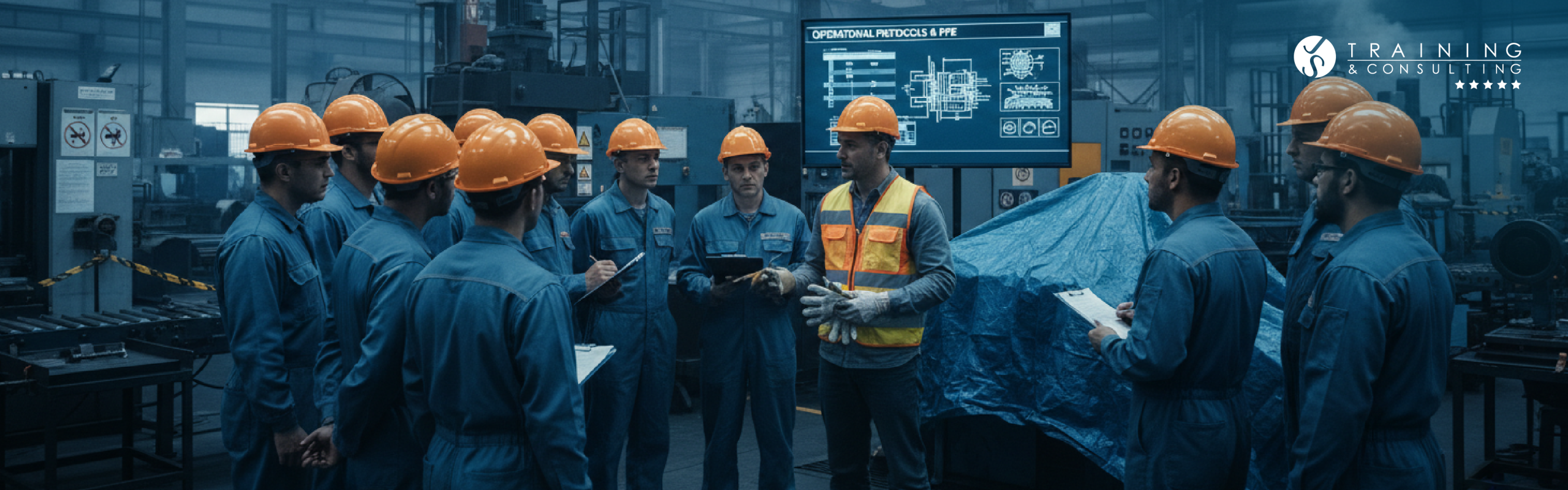
The continuing training of staff greatly reduces the rate of unsafe conduct in the operation.
Organizational culture focused on prevention
Industrial safety does not depend only on written standards, manuals or procedures and its true impact is reflected in the organizational culture a company builds day by day.
An organization that makes safety part of its identity develops employees who are more aware, responsible, and committed to their surroundings. This directly helps reduce errors, improve the work environment, and strengthen productivity.
A prevention culture develops through leadership, ongoing training and constant supervision. When executives, supervisors and operational teams share the same vision of prevention, safe practices become a natural part of operations.
Conclusion: preventive culture that transforms results
Industrial safety is not an isolated area within the company, but a strategic element that directly affects its sustainability. Managing it properly protects personnel and ensures business continuity.
Organizations that invest in prevention, training, and continuous improvement not only reduce incidents, but also strengthen their competitiveness and growth. Continuous learning processes, such as Industrial Safety Courses, can complement these strategies and help strengthen a preventive culture within workplaces.