How LOTO Tagging Helps Save Lives in Industry
In industry, seemingly routine maintenance can become a serious accident when machinery starts unexpectedly. Every year, numerous incidents result from accidental energy release during equipment repair, cleaning, adjustment or inspection. Organizations seeking to strengthen their Industrial Safety they have to put in place measures to manage these risks before they become a problem.
Among these practices, LOTO has become one of the most effective methods for preventing accidents involving hazardous energy. Correct application protects workers, reduces operational interruptions and strengthens a prevention-focused organizational culture. More than a technical procedure, it can make the difference between safe operations and a serious incident.
The hidden risk behind maintenance tasks
When equipment is shut down for maintenance, many assume the risk automatically disappears. The reality differs. A machine can retain electrical, hydraulic, pneumatic or mechanical energy, or energy stored in components, even after it has been switched off.
This means unexpected activation or a sudden release of energy can occur while workers make adjustments, conduct inspections or perform repairs. In these situations, a few seconds can be enough to cause serious injuries, equipment damage or major operational disruptions. That is precisely why the LOTO system seeks to ensure energy sources are identified, isolated and controlled before anyone works on the machinery.
Labeling: A Life-saving Communication Tool
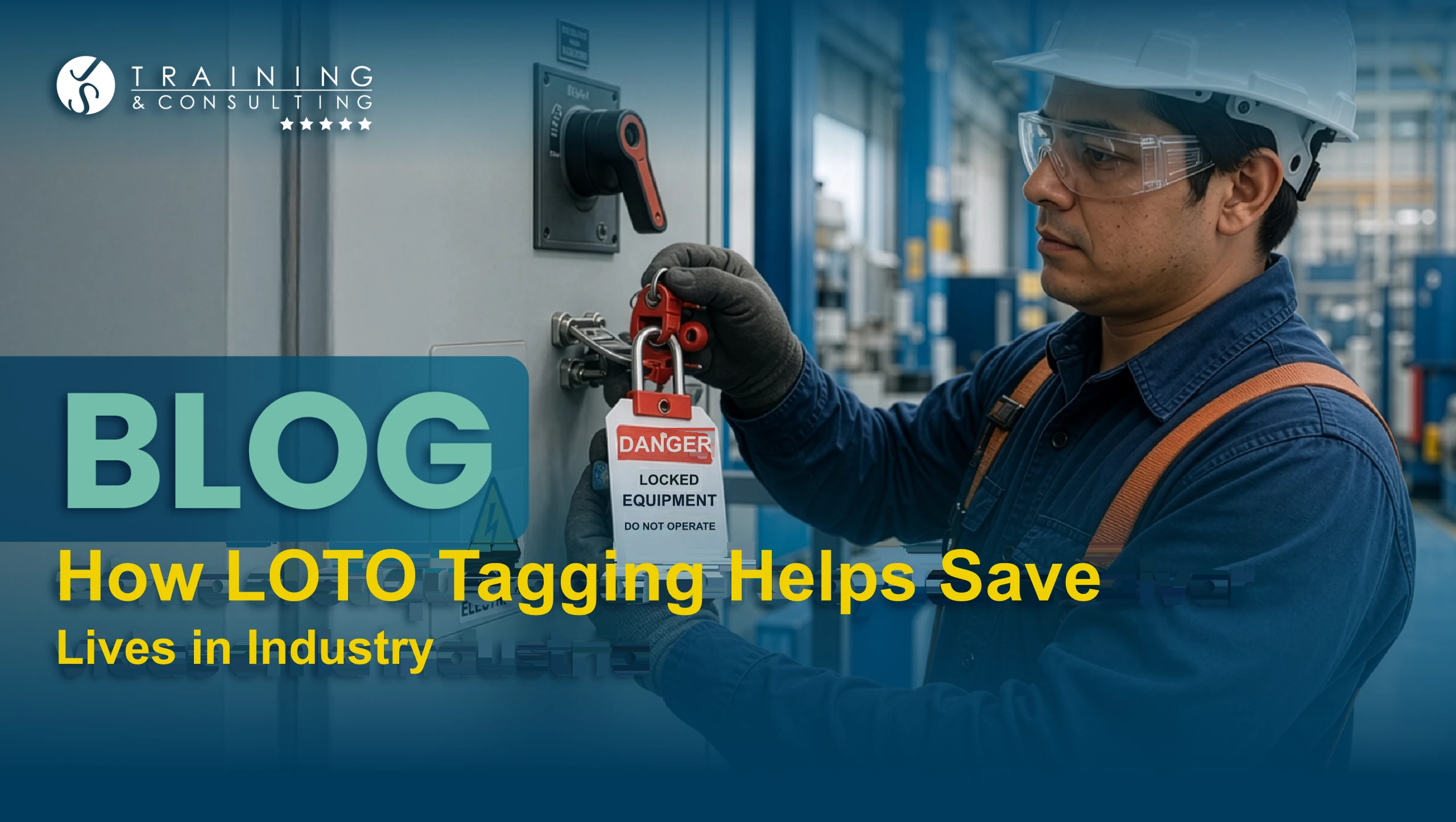
Though lockout devices are often the procedure's most visible elements, tagging plays a fundamental role in LOTO.
The labels allow clear communication that equipment is out of service and maintenance is in progress. This information prevents other workers from attempting to operate machinery during maintenance.
The main benefits of labelling have been:
- More clarity during maintenance operations.
- Better communication between departments and work shifts.
- Reduction of human mistakes.
- Visible identification of operational restrictions.
- Increased protection for authorized personnel.
In industrial environments where operators, supervisors, technicians and contractors participate, this visual communication becomes a additional protective barrier That helps prevent accidents.

Effective control of hazardous energy through lockout/tagout.
Beyond normative compliance
Many organizations implement lockout/tagout procedures to meet safety requirements. Limiting them solely to regulatory obligations, however, wastes much of their potential.
According to information about Health and safety at work published by Ministry of Labor and Social Welfare (STPS), preventing occupational risks is essential to protecting workers and fostering safer workplaces.
When a LOTO program forms part of an integrated prevention strategy, it can generate benefits such as:
- A lower number of occupational accidents.
- Reduction of Downtime.
- Decrease of incident costs.
- Protection of machinery and work equipment.
- Greater trust from employees.
- Strengthening Safety Culture.
Companies that adopt a preventive approach understand that protecting people also contributes to improving productivity and operational continuity.
Training strengthens system effectiveness
Documented procedures matter, but alone do not guarantee an effective LOTO program. For the system to work correctly, those involved must understand each piece of equipment's risks and the steps needed to control energy sources safely.
Training enables supervisors, operators and maintenance staff to develop practical knowledge of risk identification, applying procedures and responding to unexpected situations. It also helps standardize criteria and reduce errors caused by misinterpretations or a lack of information.
When training becomes a constant practice, safety stops depending solely on written procedures and becomes part of everyday working culture.
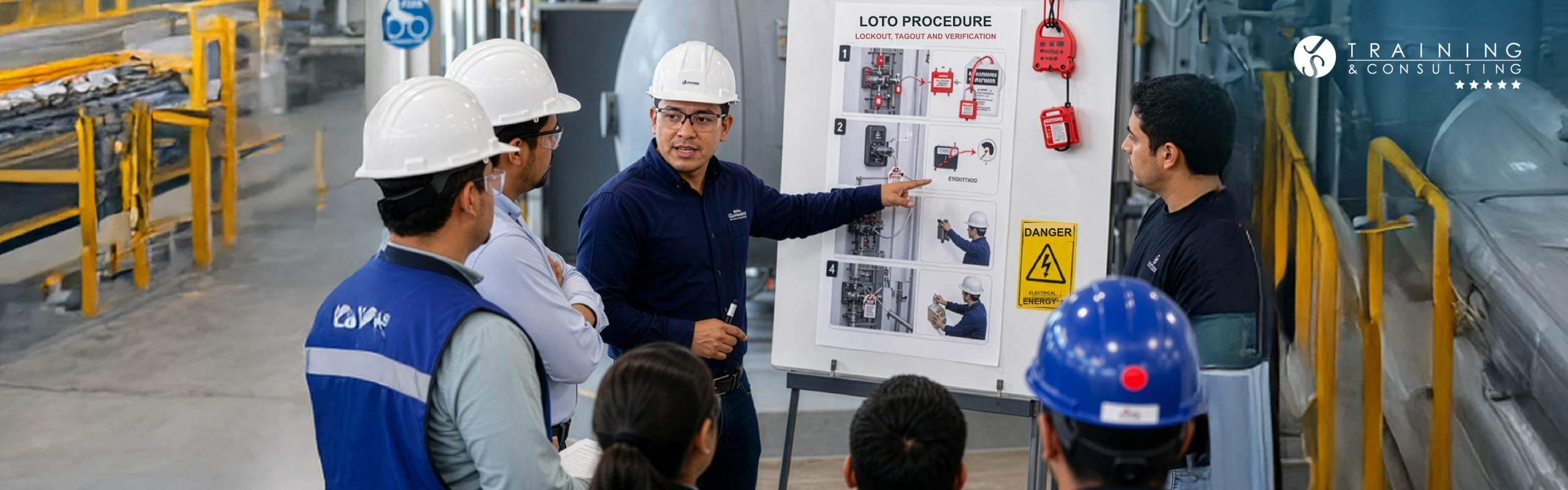
Training of personnel to eliminate unsafe acts in operation.
Building a culture of prevention
The best performing organisations in industrial safety understand that prevention is a shared responsibility. To strengthen this culture, it's important to promote:
- Ongoing training personnel.
- Effective communication between work teams.
- Early identification and risks.
- Compliance with procedures Security.
- Active participation of employees and supervisors.
When these practices are part of the daily operation, the LOTO system becomes a key tool for protecting people and strengthening the reliability of operations.
Conclusion: prevention that protects lives and strengthens operations
LOTO is one of industry's most important strategies for controlling hazardous-energy risks. Correct implementation protects workers, strengthens operational continuity and consolidates an organizational culture focused on prevention and continuous improvement.
However, truly understanding this methodology’s scope requires additional knowledge of procedures, responsibilities, devices, regulations and implementation best practices. Continuous training and specialized information strengthen risk management and create safer workplaces. To explore these topics further and learn key recommendations for effective application, we invite you to download the E-Book complete about LOTO (Spanish PDF), where you will find additional information that expands on the topics addressed in this article.