
Industrial Safety Courses

Our NOM industrial safety courses train your team through practical, effective programs strengthening prevention, risk control and regulatory compliance in any workplace.
Exclusive for companies
Explore Our Industrial Safety Courses
Our approach promotes reliable, productive work environments with a lower risk of incidents. The aim is to make prevention a habit within the organization, building awareness and responsibility at every level of the team.
Our programs
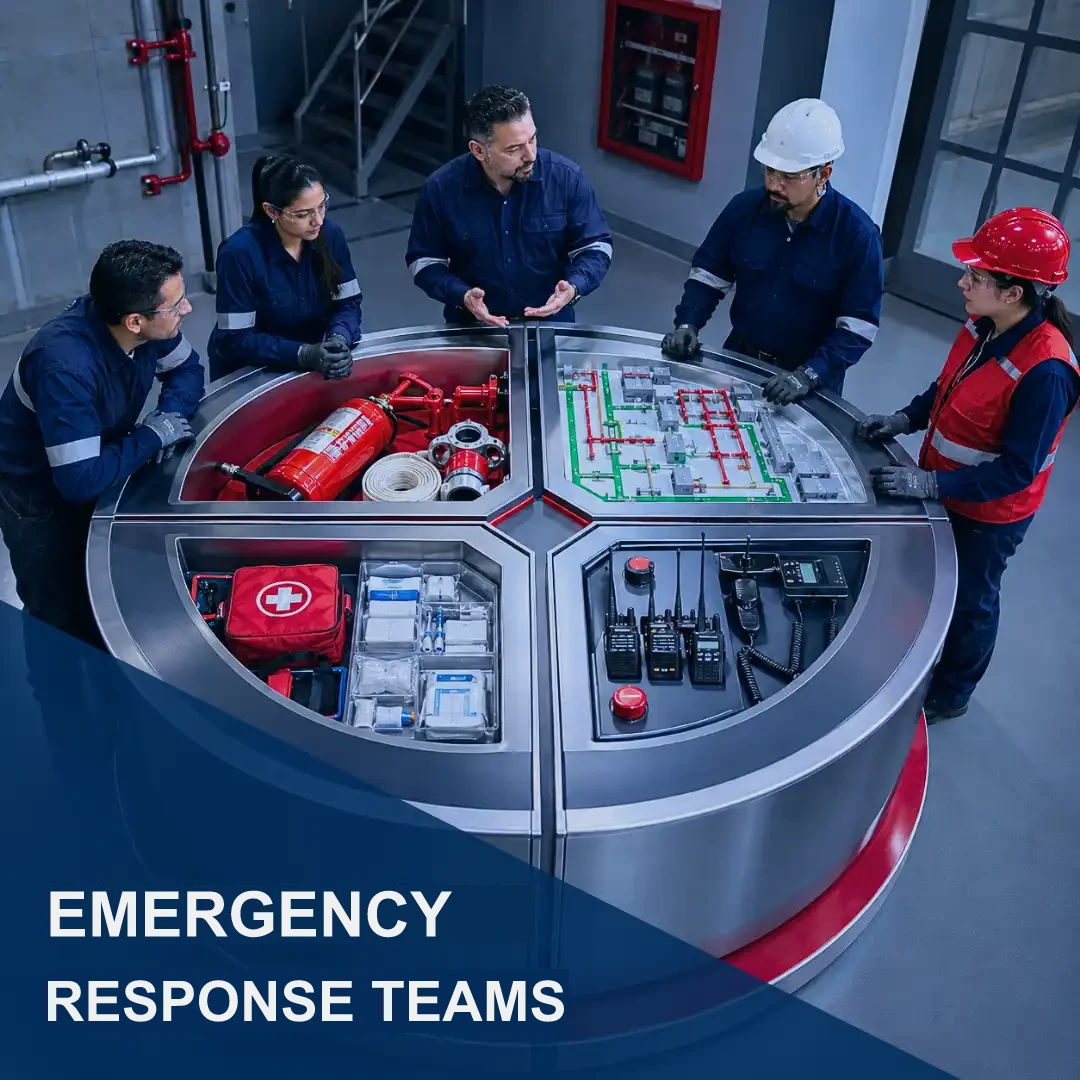
This training prepares employees to respond safely and efficiently to emergencies, developing risk prevention, evacuation, firefighting and first aid skills to strengthen protection for all staff.
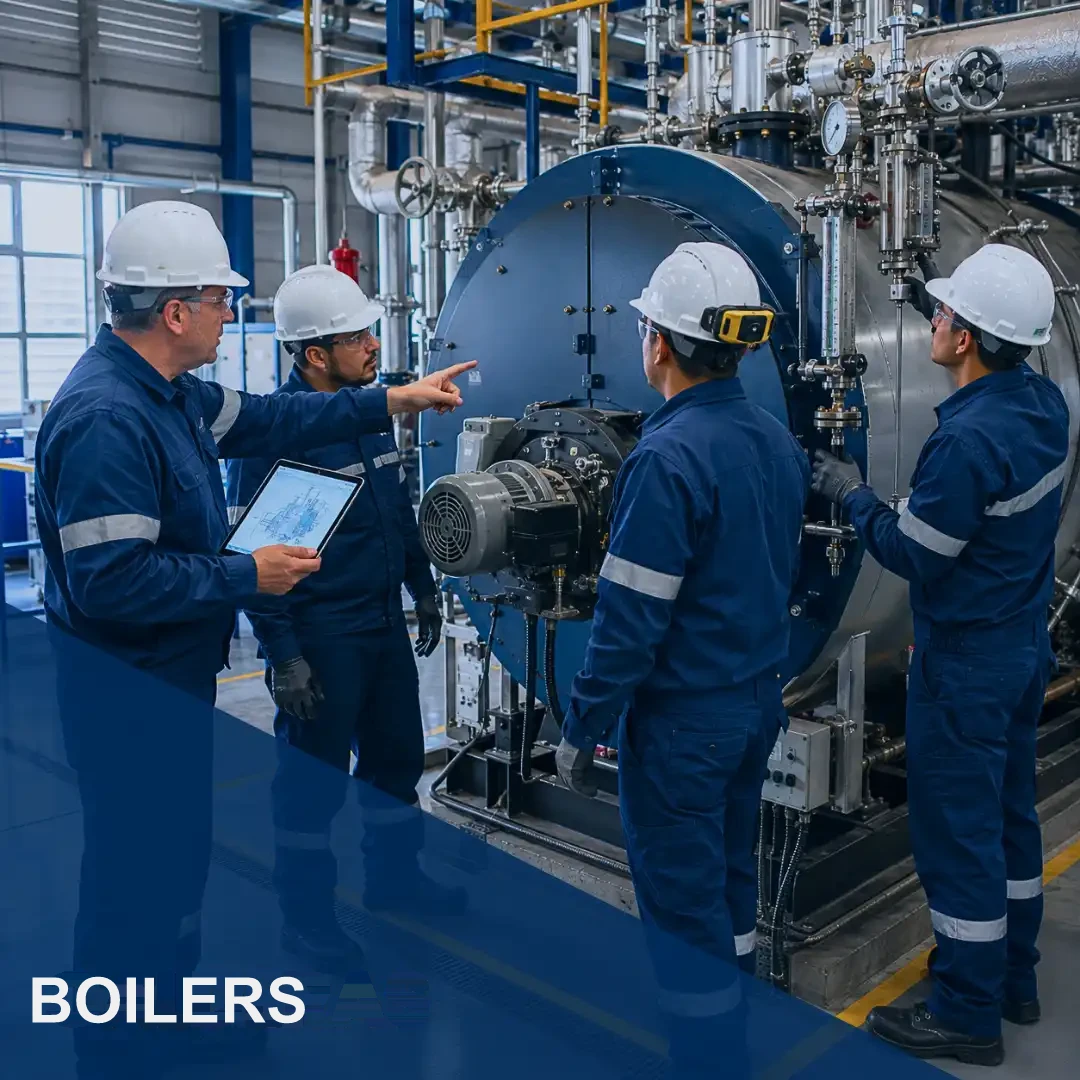
The training aims atto set up safety requirements for the operation of boilers at workplaces, with a view to preventing risks to workers, contributing to the reduction of accidents and waste, ensuring safe operation.
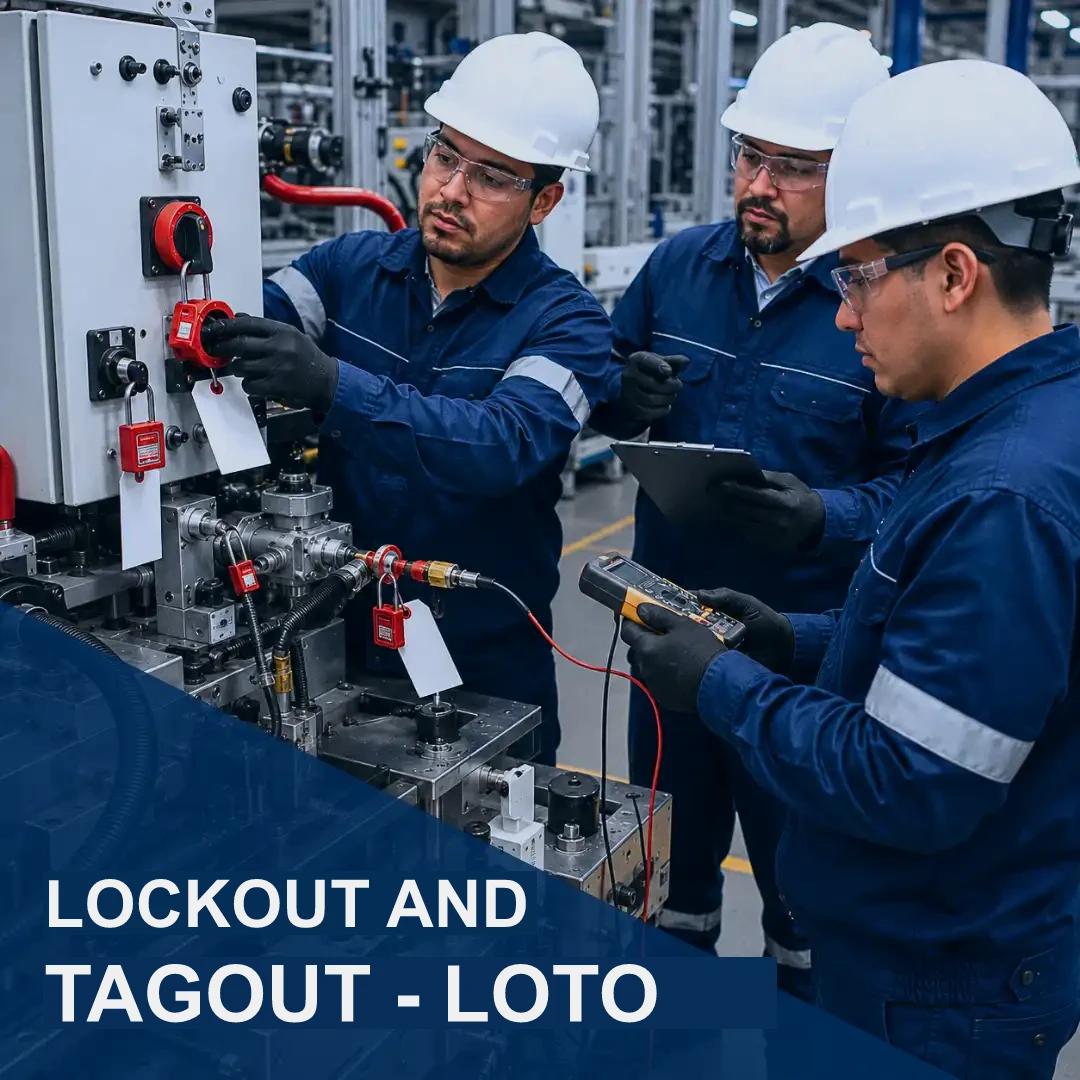
This course is designed to strengthen industrial safety culture within organizations and prevent accidents caused by the unexpected release of hazardous energy. It is intended for companies seeking to comply with current regulations and protect their employees’ physical well-being.
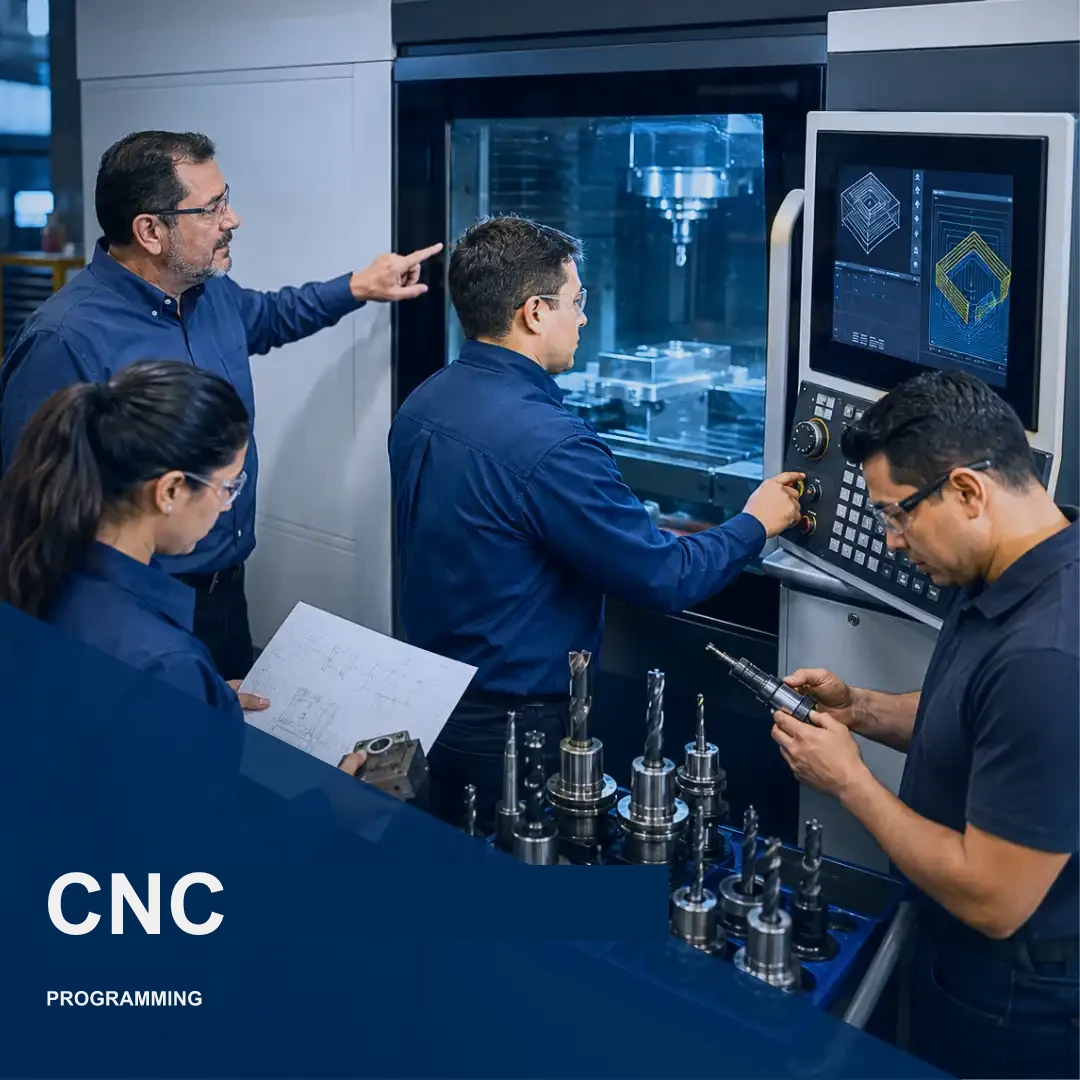
A course designed to strengthen technical competencies for programming and operating CNC equipment with greater precision and efficiency. Participants develop skills in interpreting drawings, using coordinates, ISO nomenclature, G and M codes, etc.
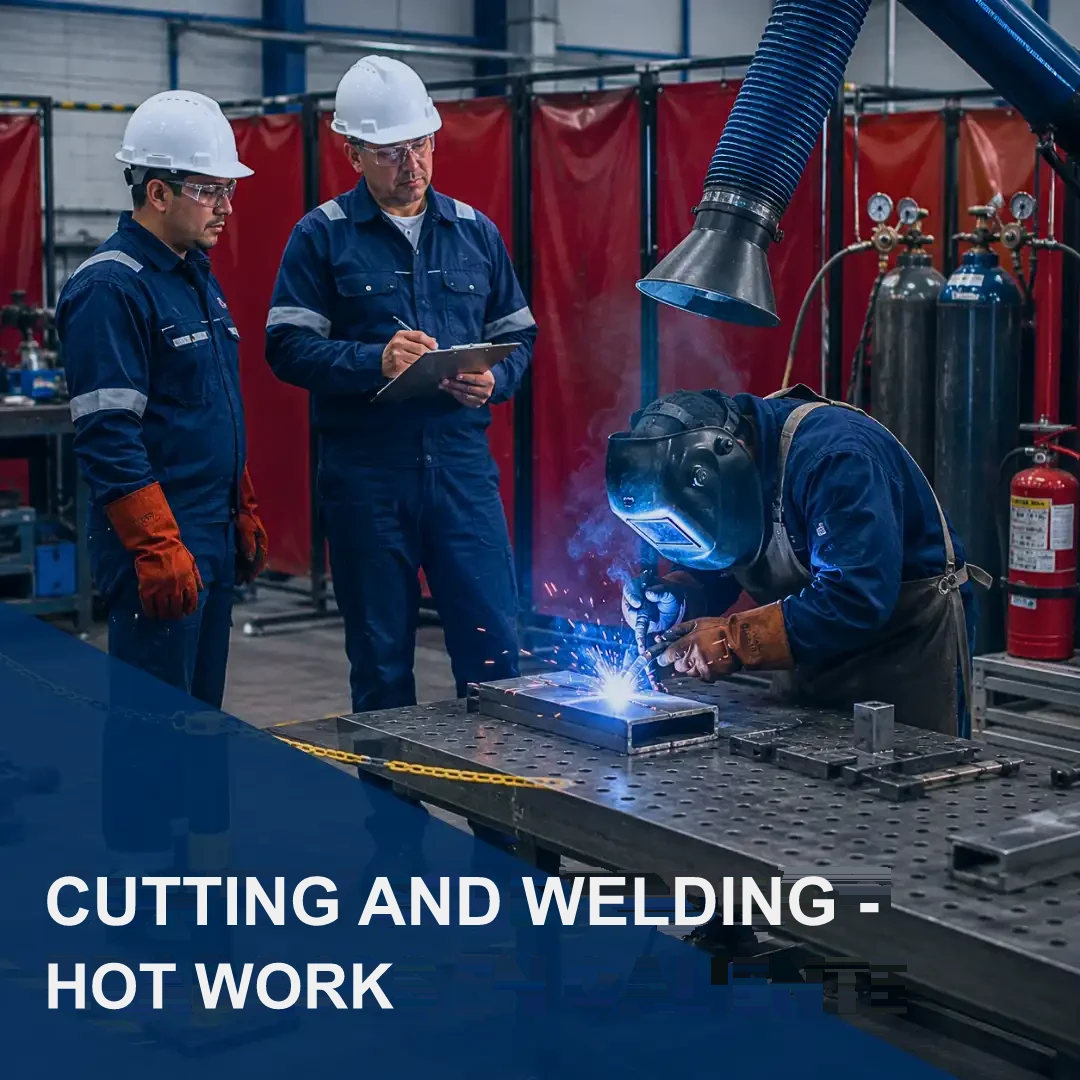
This training provides the knowledge and procedures needed to perform cutting and welding work safely and in accordance with NOM-027-STPS-2008. It covers risk identification, correct use of personal protective equipment, and fire and accident prevention.
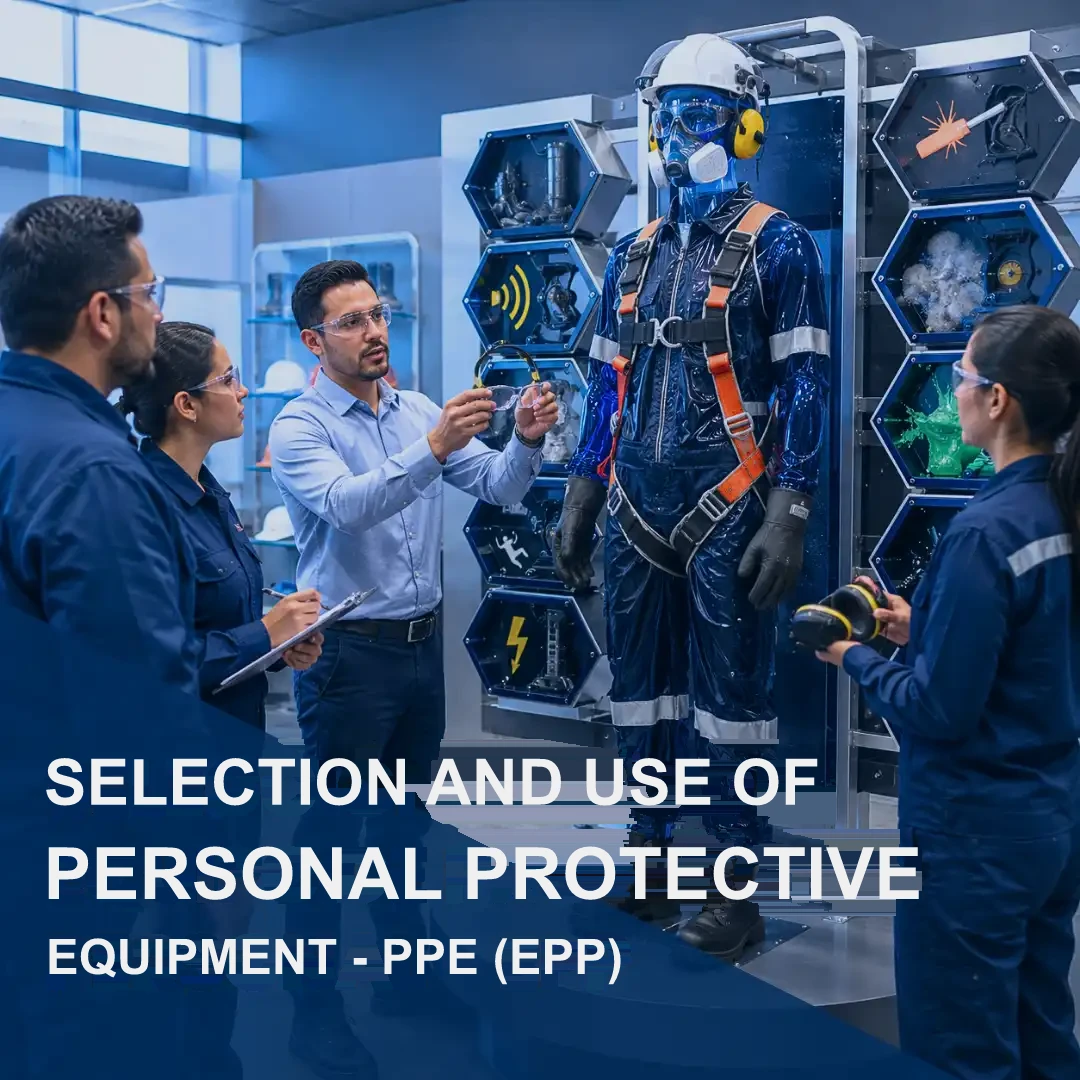
The course provides the necessary knowledge to select, use, maintain and secure personal protective equipment. It includes risk identification and preventive measures to reduce occupational accidents and illnesses.
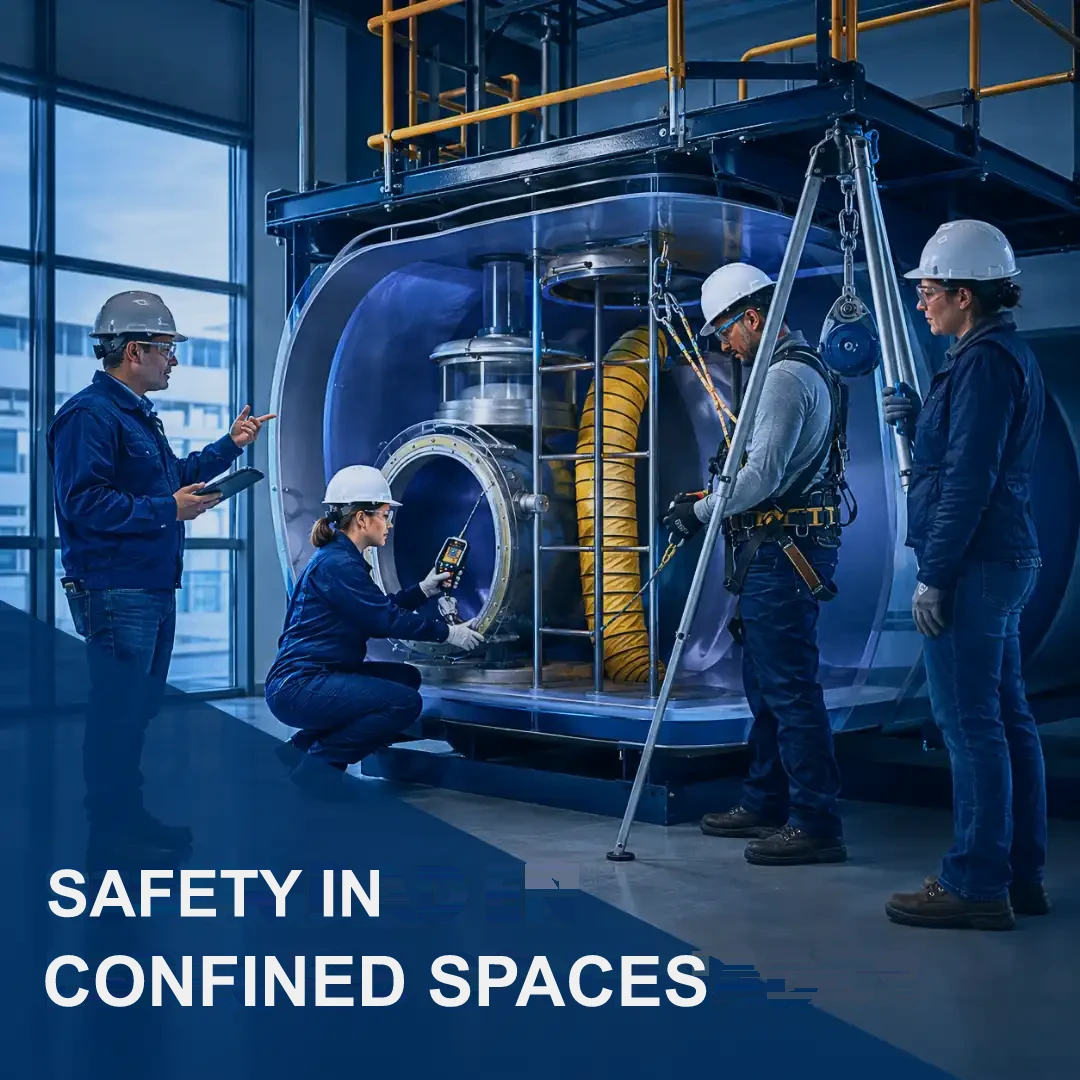
A course designed for working safely in confined spaces. It covers identifying risk areas, applying preventive measures and complying with safe working procedures, helping reduce accidents within the organization.
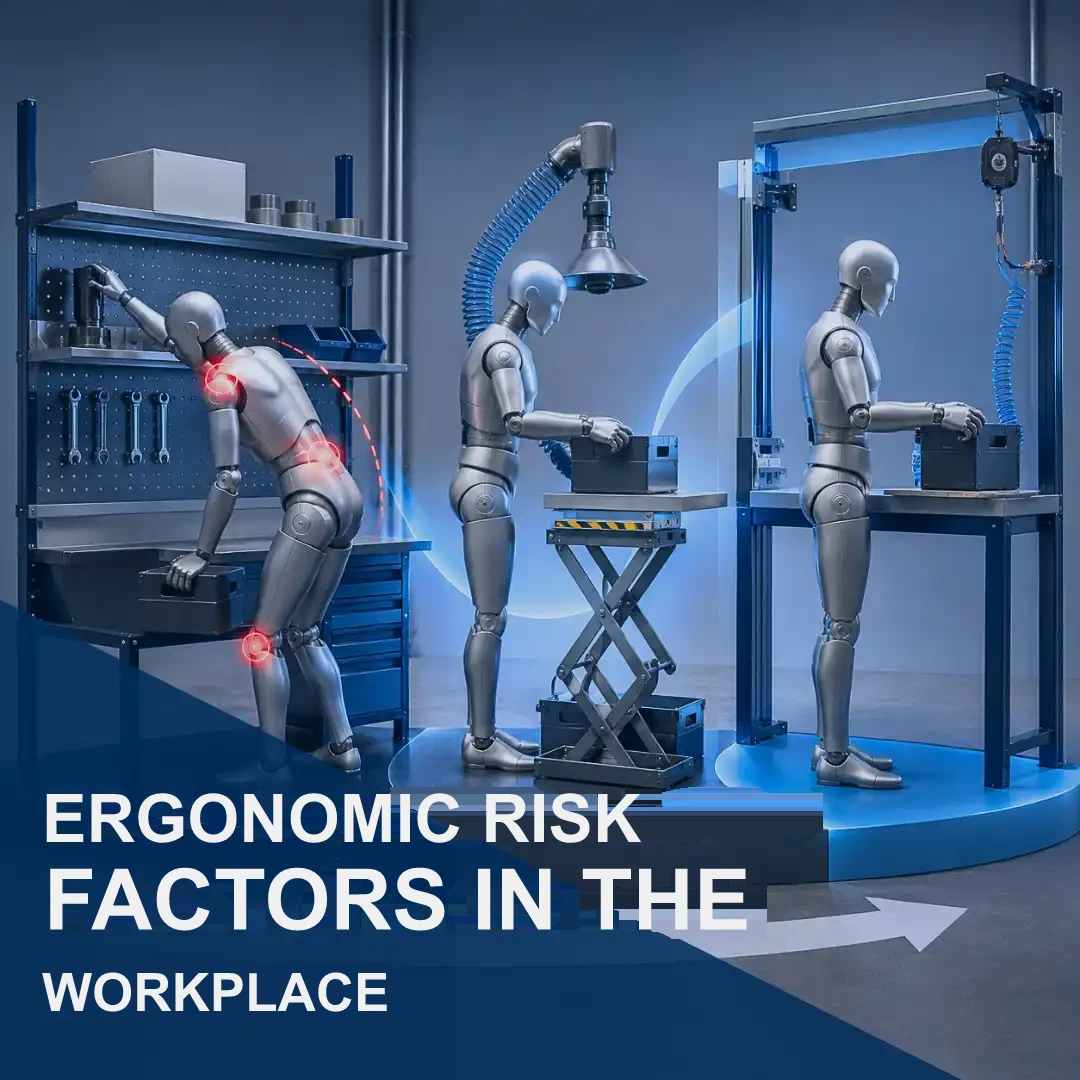
This training provides the knowledge and procedures needed to identify, assess and control ergonomic risk factors associated with manual load handling, in accordance with NOM-036. It covers preventive measures to reduce musculoskeletal injuries, accidents and potential penalties.
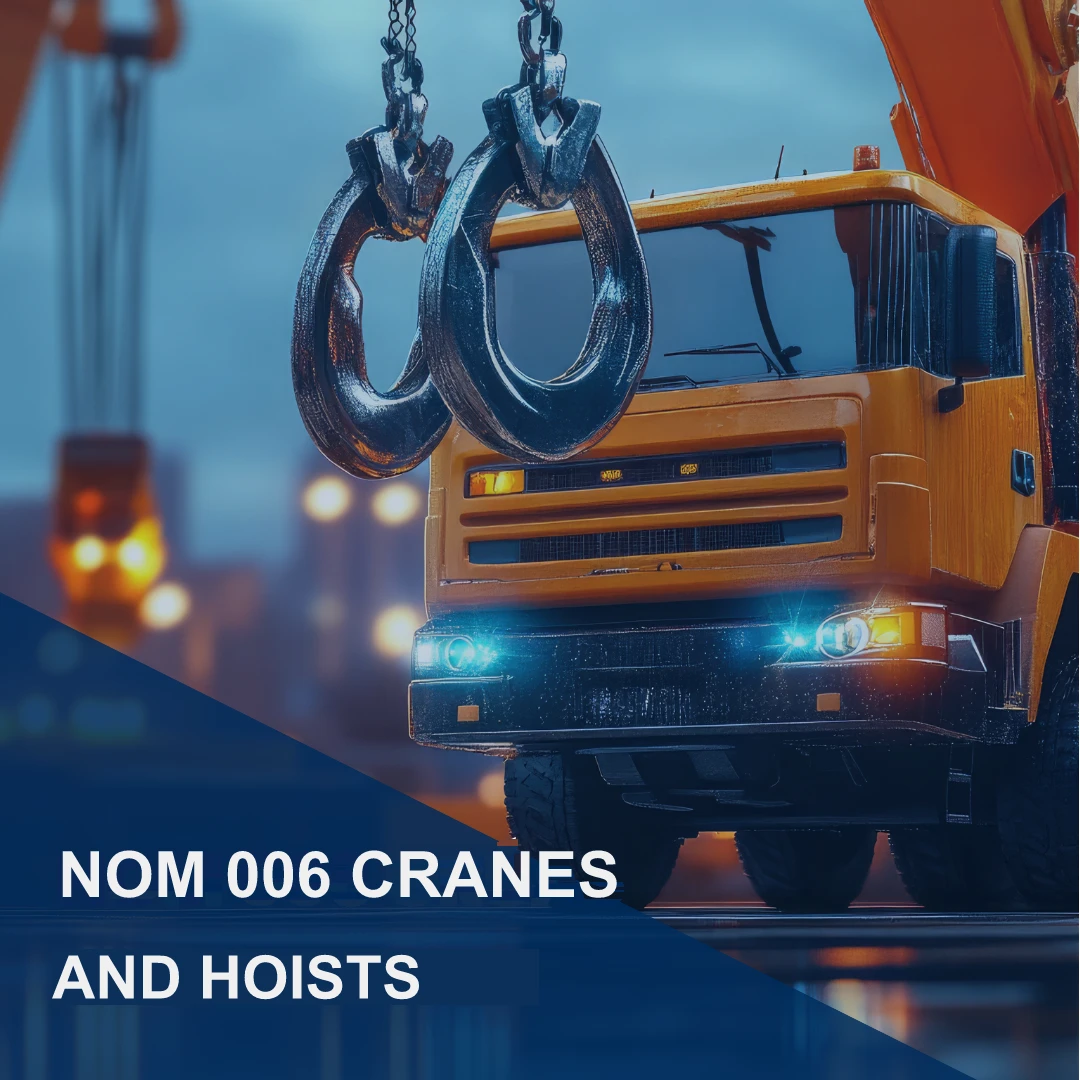
This course is designed to train operators and industrial personnel in the operation, structure, and components of this equipment, as well as strengthen their skills in handling, inspection, maintenance, and safe operation of lifting systems.
This course provides the knowledge needed to work safely in confined spaces. It includes identifying hazardous areas, applying preventive measures, and following safe work procedures, helping reduce accidents within the organization.
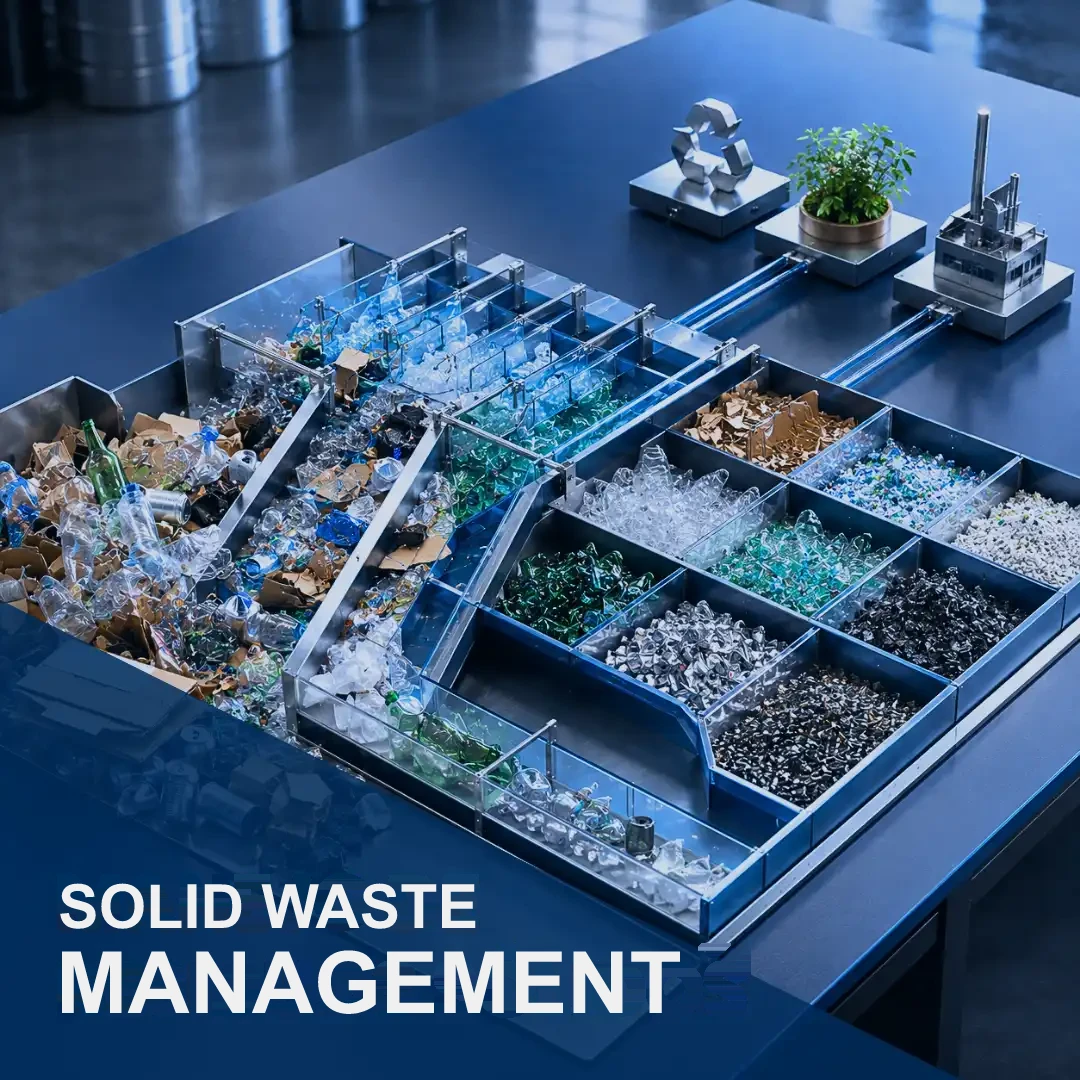
This training provides knowledge and procedures for identifying, classifying, handling and correctly disposing of hazardous solid waste under applicable regulations. It includes safety measures to reduce contamination risks and ensure environmental compliance.
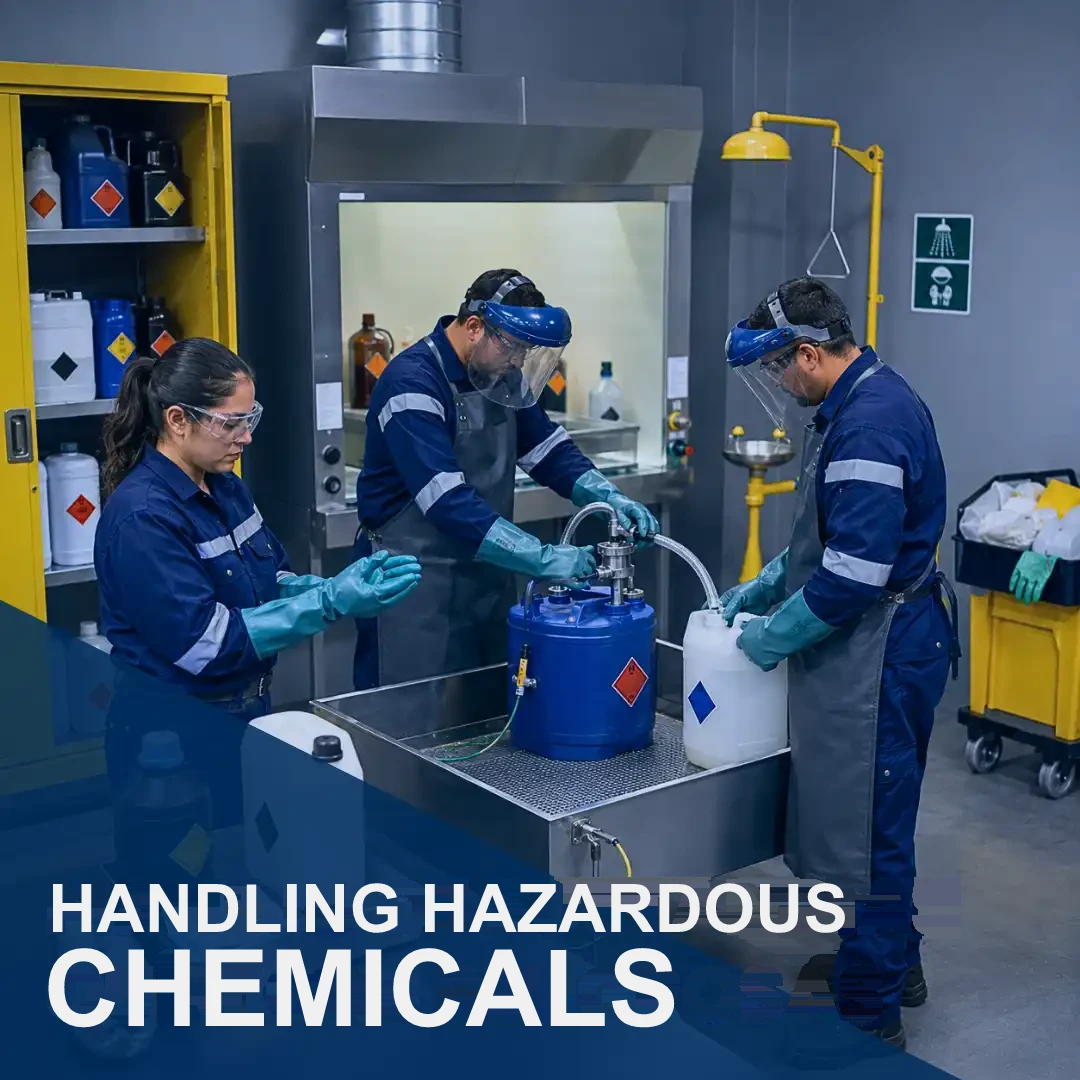
This training provides the knowledge and procedures needed to identify, communicate and control hazards associated with handling chemicals, in accordance with NOM-018-STPS-2015. It covers applying the Globally Harmonized System and correctly using labels and safety data sheets.
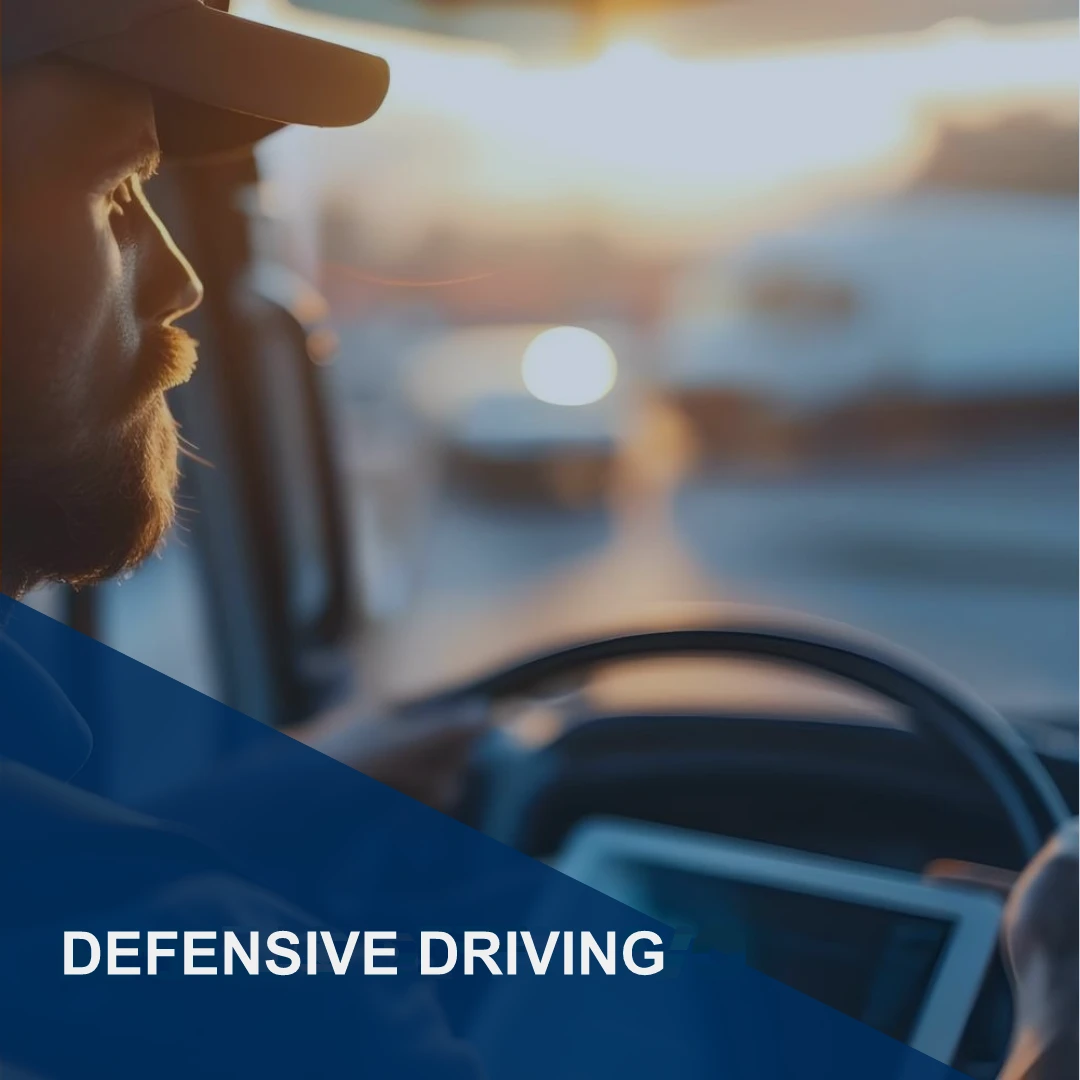
The Defensive Driving course trains drivers in road accident prevention and safety behind the wheel. Through practical and theoretical learning, they will identify and correct unsafe driving practices.
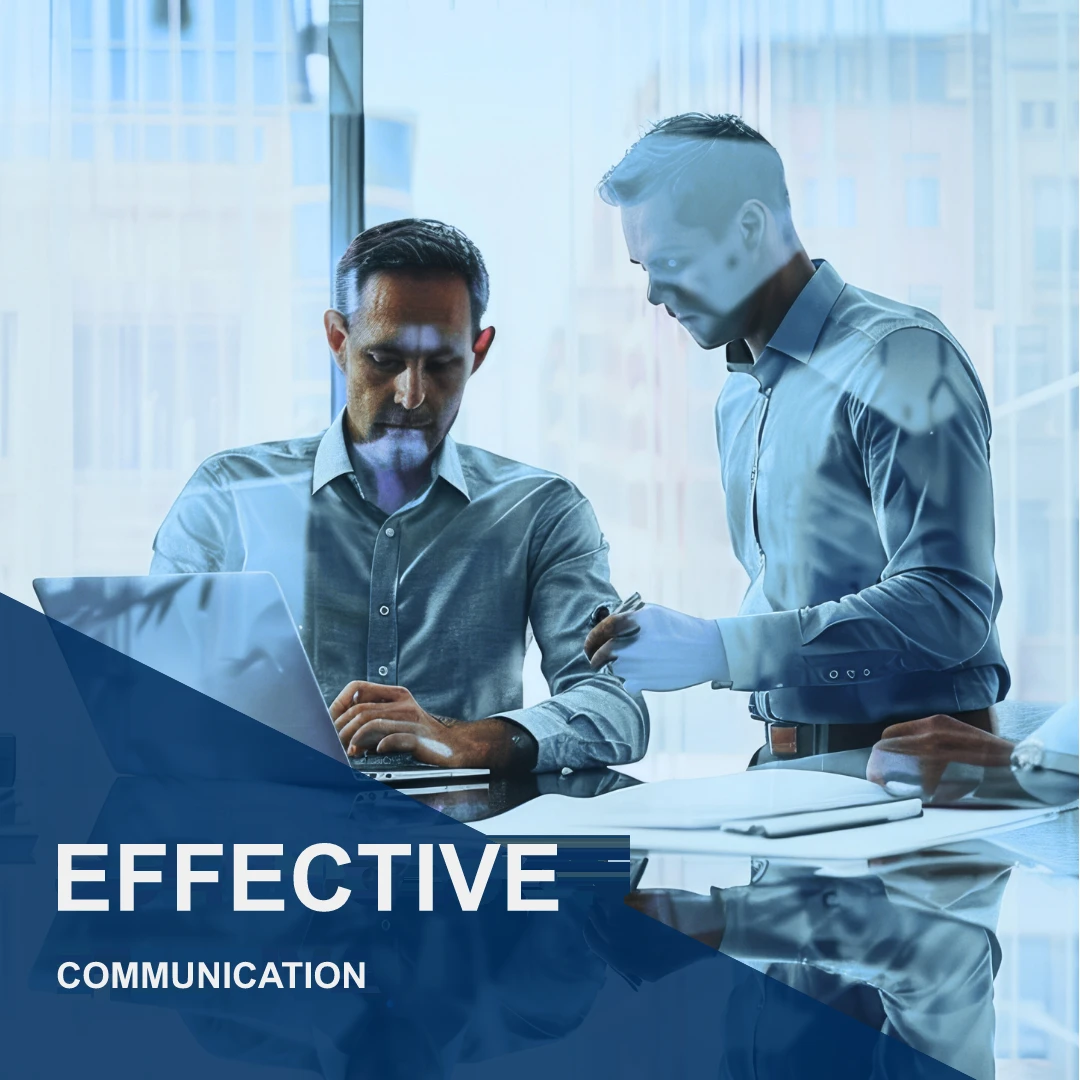
The course lays down the conditions and safety procedures for handling and storing materials, both manually and by means of machinery. It includes preventive measures and good operational practice.
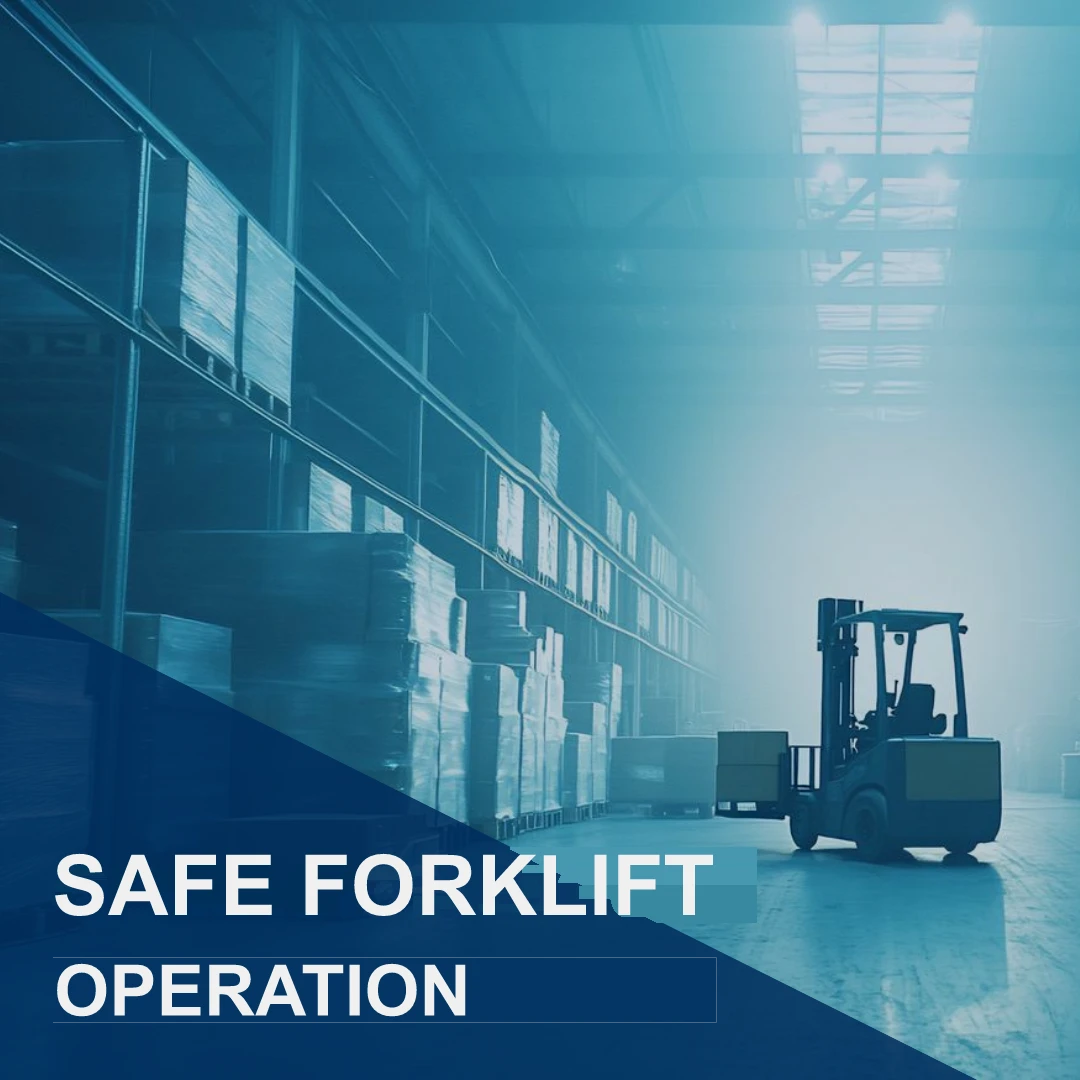
The Safe Forklift Operation NOM-006 course trains operators in safe intermediate-to-advanced operating techniques, ensuring compliance with current industrial safety and hygiene regulations.
The course provides a useful guide to understanding and applying NOM-035-STPS, to identify psychosocial risk factors and to evaluate their impact on the work environment. It includes the use of reference guides and assessment tools.
This training strengthens safe operation of stand-up forklifts, covering their functions, components, risks and pre-use inspections. It includes applying OSHA 1910.178 and NOM-006-STPS-2014.
That training provides useful knowledge about the types of platforms, their components, capabilities and constraints as well as operator responsibilities and the importance of proper use of personal protective equipment.
A course developing competencies in programming, configuring, operating and maintaining Siemens S7-300 PLCs through SIMATIC STEP 7 or TIA Portal V.13. Includes hardware configuration, KOP, FUP and AWL languages, and analog and digital signal handling.
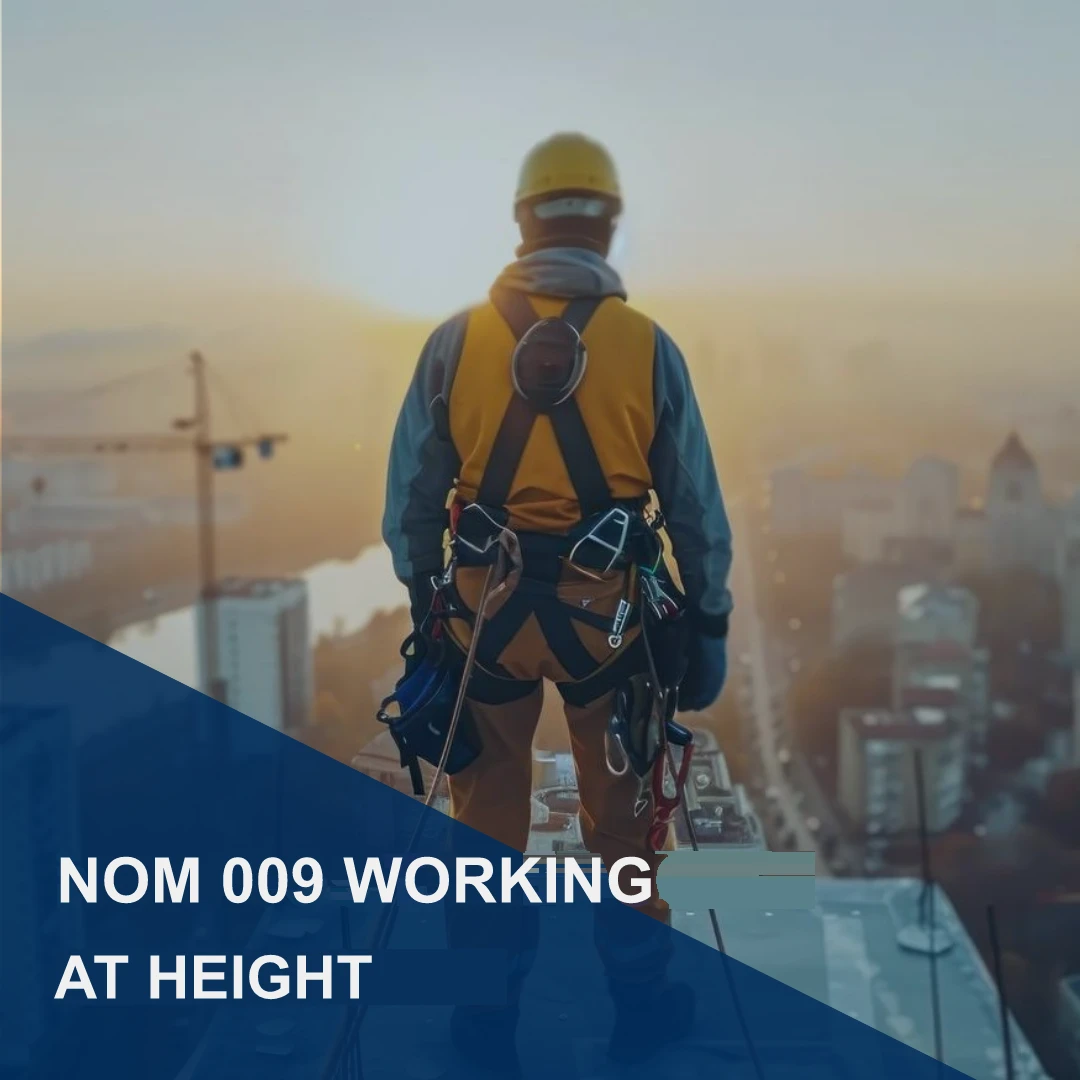
This course focuses on preventing falls and working safely at height, in accordance with NOM-009-STPS. It covers risk identification, staff responsibilities, correct use of protection systems, preventive measures and safe procedures before, during and after each activity.
What benefits will your company gain from these safety courses?
Reduction of occupational risks and accidents
Personnel identify hazards, apply safe procedures, and act correctly in risky situations, reducing accidents, injuries, and unsafe conditions within operations.
Greater Regulatory Compliance
Strengthen the knowledge and practices needed to meet applicable Mexican Official Standards, reduce inspection findings and prevent fines, penalties and legal risks.
Continuity and operational efficiency
Safer operations reduce interruptions, disability-related absences, equipment damage and materials losses, maintaining productivity and improving process performance.
Culture of prevention and responsibility
Safe behavior, teamwork and active participation in prevention strengthen staff commitment to their own safety and the entire organization's.
Work with greater safety, confidence, and regulatory support
ENROLL YOUR TEAM TODAY!