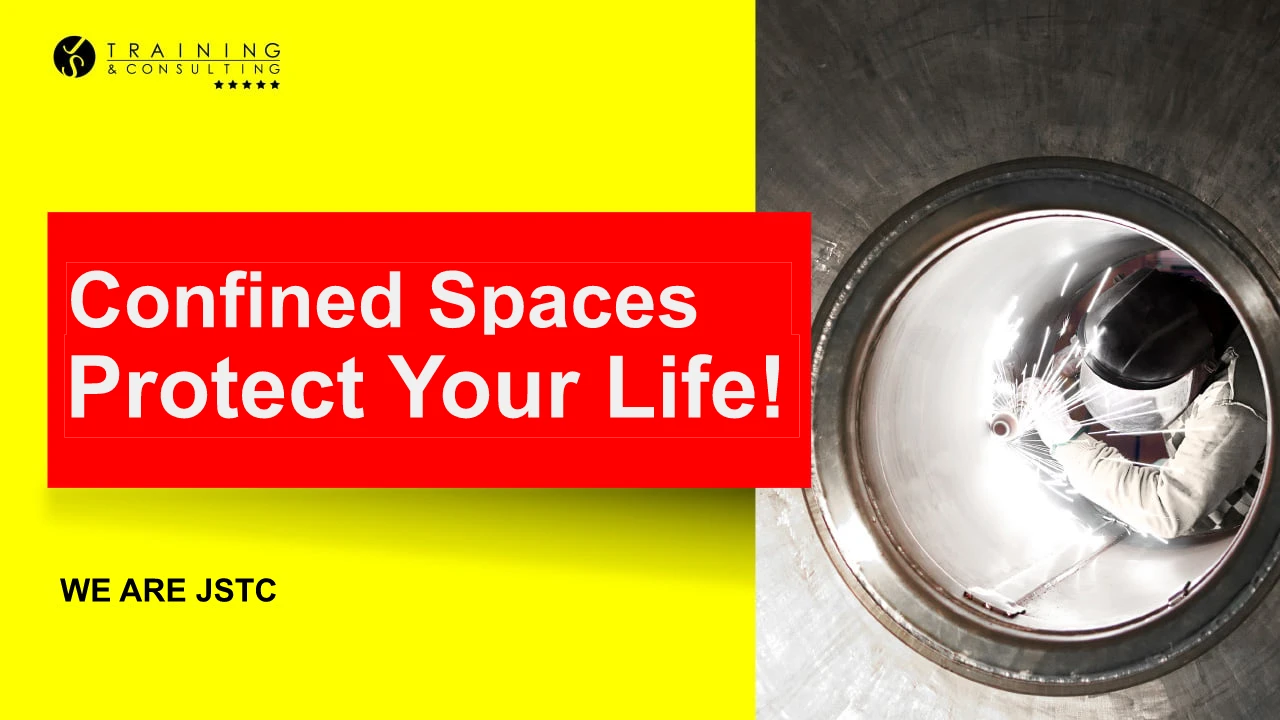
Confined Spaces: Protect Your Life!
Discover the Secrets to Work Safely
Confined Spaces: Protect Your Life! Working in confined spaces is a common but hazardous task requiring specialized knowledge and extreme precautions. In this article, we explore what confined spaces are, relevant safety regulations, recommended procedures and associated risks. We also provide key advice on the personal protective equipment needed to safeguard your life in these challenging conditions.
What's a confined space and examples?
A confined space is an area or environment with limited entry and exit, poor ventilation and potential health and safety risks for entrants. Common examples include tanks, silos, sewers, tunnels and storage areas.
What does NOM 033 STPS say?
NOM 033 STPS establishes minimum occupational health and safety requirements for identifying and preventing confined-space risks, including risk assessments, control measures, staff training and rescue procedures.
How long can I work at a confined space?
The maximum length of stay in a confined space varies depending on the risk and specific conditions of the place. Nevertheless, it is recommended to limit the time of exposure to the minimum necessary and to follow protocols for continuous monitoring of the atmosphere and environmental conditions.
What procedure should be followed to work in confined spaces?
Before entering a confined space, conduct a complete risk assessment, implement appropriate controls and follow a safe entry procedure that includes adequate ventilation, personal protective equipment and constant communication with the rescue team.
Risks of working in confined spaces
Risks of working in confined spaces include suffocation from lack of oxygen, toxic gas poisoning, entrapment, falls, fires and explosions. Identifying and mitigating these risks through thorough risk assessments and effective control measures is essential.
Required Personal Protective Equipment
Personal protective equipment for confined-space work includes safety harnesses, self-contained breathing apparatus, gas monitors, lifelines, emergency lights, and rescue and communication tools.
Conclusion: Working in confined spaces poses significant risks to workers' safety and health, but proper training and correct use of personal protective equipment can minimize those risks. Employers and workers must commit to following established safety protocols and staying informed about best practices in this area. Remember: your life is worth more than any job!