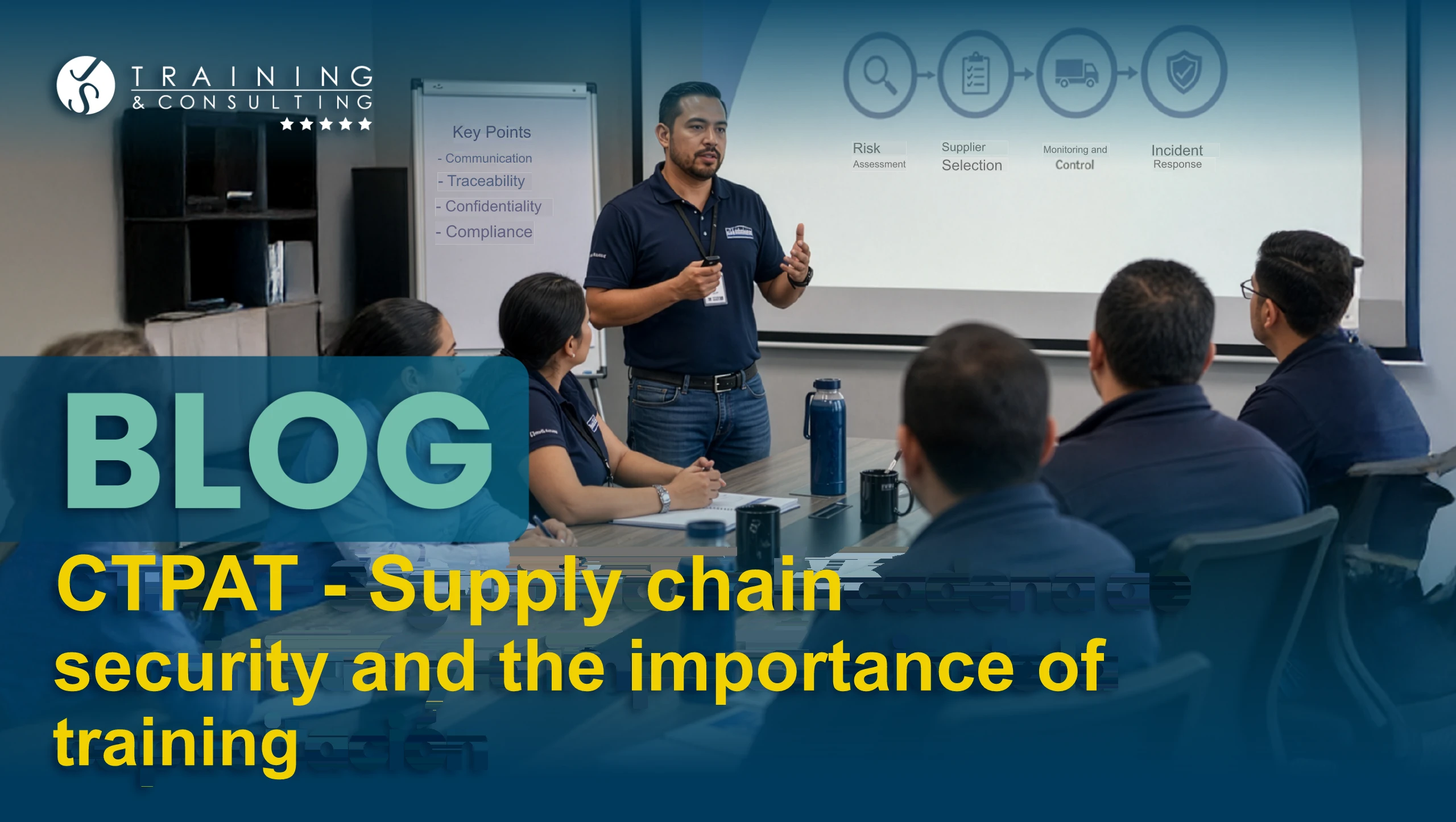
CTPAT - Supply Chain Security and The Value of Training
In a global environment with increasingly complex supply chains, security has become a priority for organizations involved in international trade. Moving goods from one point to another is not enough. Companies must also ensure the integrity of their processes, protect their assets and reduce risks to operational continuity.
In this context, CTPAT has become one of the most relevant programs for strengthening supply chain security. However, achieving and maintaining its standards goes far beyond physical controls or documented procedures. The real challenge is developing a safety culture where people understand their role within the organisation and contribute actively to risk prevention.
Safety as a strategic element
Companies exporting to the United States face increasingly demanding compliance and risk management requirements. Security is no longer seen merely as an operational requirement, but as a factor directly affecting competitiveness and the trust of customers, business partners and authorities.
Implementing practices aligned with CTPAT strengthens aspects related to:
- Protection of goods.
- Risk management within the operation.
- Reliability of logistics chain.
- Prevention of illicit activity.
- Business continuity.
When these elements are properly managed, organizations are better prepared to respond to challenges of international trade.
Why does the supply chain require more robust controls?
The supply chain involves multiple actors, processes and contact points. From suppliers and carriers to warehouses and customs agents, each link represents an opportunity to strengthen or compromise the security of the operation.
Therefore, today’s safety programs promote a comprehensive approach that considers aspects such as the physical safety, information protection, access controls, business partner assessment and personnel management. These measures seek to reduce vulnerabilities and create more reliable processes throughout the logistics chain.

Physical Container Inspection Under CTPAT Security Guidelines.
Benefits that go beyond compliance
Many organizations begin taking an interest in CTPAT because of the operational benefits it can offer. However, its advantages also directly affect the company’s reputation and positioning.
The most important benefits are:
- More Agile Customs Processes.
- Reduction of operational delays.
- Increased confidence of customers and commercial partners.
- Better Control over Logistics Risks.
- Increased competitiveness in international markets.
- Strengthening the corporate image.
These benefits explain why more organizations consider safety a strategic investment rather than merely a regulatory obligation.
Training as a basis for compliance
One of the most common mistakes is to think that safety depends only on procedures, infrastructure or technology. Indeed, success of any program depends greatly on the behaviour of the people involved.
Under CTPAT principles, employees must understand the risks associated with their activities and the measures needed to prevent incidents. These include identifying anomalies, protecting sensitive information, following procedures and promptly communicating hazardous situations.
An effective training strategy helps:
- Strengthen Safety Awareness.
- To reduce operational errors.
- To promote early risk detection.
- To improve compliance with procedures.
- Maintain standards consistent throughout the organization.
When staff understand their participation's importance, safety stops being one department's responsibility and becomes part of organizational culture.
Continuous Improvement Strengthens Safety
Security in the supply chain isn't a project with an end date. Risks are constantly evolving as are processes, technologies and regulations that affect organisations.
For this reason, programs such as CTPAT promote continuous risk assessment and the ongoing updating of security controls. Indeed, a key benefit of this approach is that CTPAT partners can better identify their own security vulnerabilities and take corrective measures to mitigate risks. This capability enables organizations to anticipate potential threats and continuously strengthen their processes.
The programme's own authority, Customs Trade Partnership Against Terrorism (CTPAT), emphasizes the importance of review, monitoring and improvement processes that respond to emerging supply chain threats.
The companies that adopt this vision develop a preventive management, strengthen their response capacity and build more resilient operations. Continuous improvement also helps maintain the trust of customers, business partners, and authorities, making safety a true competitive advantage with an increasingly demanding global environment.
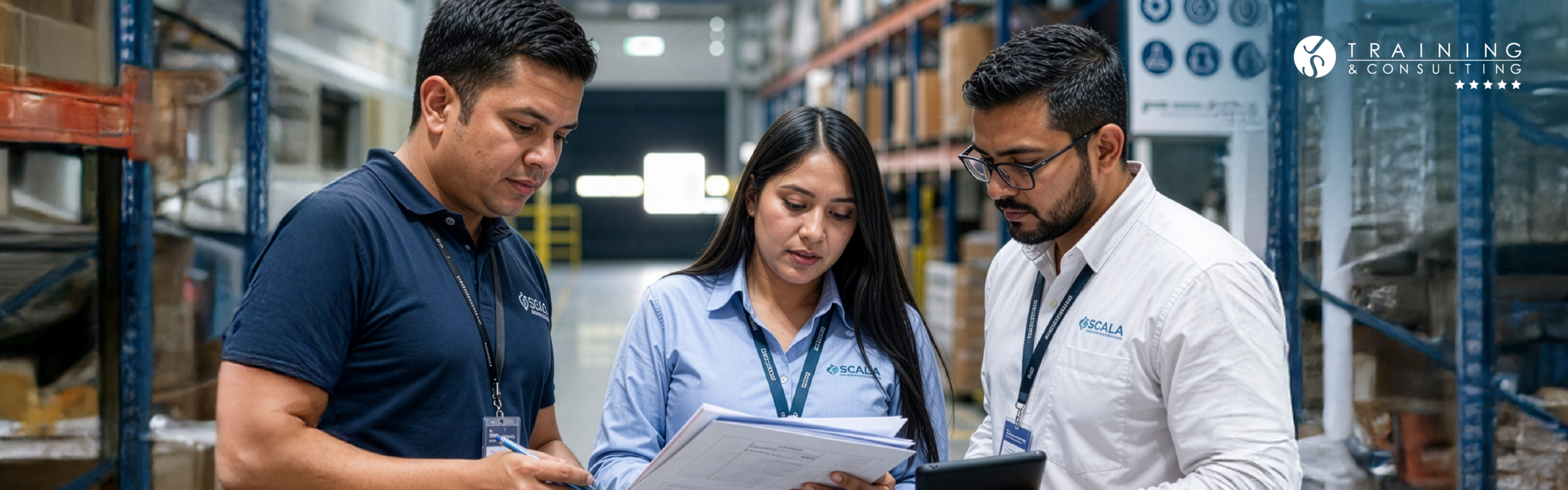
Warehouse Auditing and Document Control.
Conclusion: Safety begins with people
Implementing CTPAT is an opportunity to strengthen security, improve operational reliability and create competitive advantages in international markets. However, procedures and controls are effective only when people have the knowledge needed to apply them correctly.
Organizations seeking to strengthen prevention and continuous improvement therefore invest in competencies related to security, compliance and risk management. To explore CTPAT’s benefits, requirements and best practices further, we invite you to download the complete E-Book (Spanish PDF)where you will find additional information that will extend what's been addressed in this article and help you better understand its impact within the supply chain.