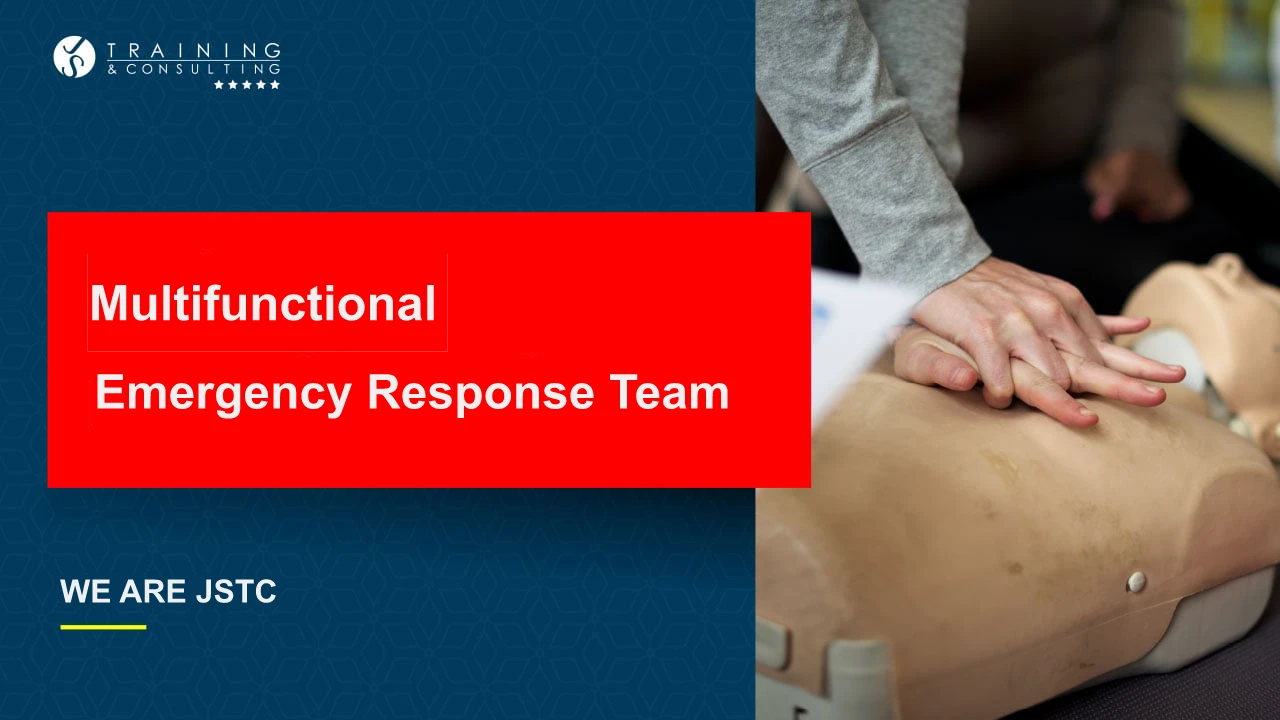
Emergency Response Teams
Safeguarding Lives and Companies in Critical Moments
Within companies, employee safety and well-being are fundamental pillars. Responding effectively to emergencies not only protects workers but also ensures operational continuity. This is where Emergency Response Teams, teams trained to act at critical moments and mitigate risks. In this article, we explore how these brigades work, their importance for companies and employees, the standards they must follow, and best practices for forming and maintaining an effective emergency brigade.
The Vital Importance of Emergency Brigades
Imagine a fire breaking out at a company or an earthquake striking during the working day. These events are unpredictable but possible, and they demonstrate the immense value of emergency response teams. Their primary purpose is to protect workers and minimize property damage. With members trained in first aid, evacuation, firefighting and more, these teams are essential to an immediate, effective response to any event threatening safety.
Regulatory Compliance: Ministry of Labor and Social Welfare
The formation and operation of emergency response teams is not a choice, but a necessity governed by regulations. The Labour and Social Prevention Secretariat establishes clear rules to ensure workers' safety and health. Among them is NOM-002-STPS-2010, which establishes minimum requirements for identifying risks from hazardous chemicals in the workplace.
NOM-046-STPS-2010 also details emergency response teams' functions and formation requirements. These include appointing a team leader; training members in first aid, evacuation and extinguisher use; and conducting regular drills to test preparedness and assess performance.
Best Practices for Forming an Emergency Brigade
Establishing and maintaining an effective emergency brigade requires planning, commitment, and adequate resources. Here are some best practices to consider:
1. Risk Identification
Before forming an emergency response team, a workplace risk assessment is crucial. Identifying threats, from fires to chemical spills, provides a solid foundation for designing a response strategy.
2. Selection of Members
Recruiting brigade members is a critical step. Seek volunteers who show interest and commitment. Including members from different departments ensures broader coverage of skills.
3. Continuous Training
Training is the backbone of an effective brigade. Provide regular courses on first aid, evacuation, extinguisher use and other relevant skills. Staying current with the latest techniques and knowledge is essential.
4. Suitable equipment
Providing the brigade with the necessary equipment is vital. This may include first aid kits, extinguishers, flashlights, reflective vests and other essentials.
5. Drills and Tests
Regular drills are essential for assessing the emergency response team’s preparedness and effectiveness. These practical exercises can identify areas for improvement and enable adjustments to the response strategy.
6. Communication and awareness
Raise awareness among all employees of the importance of the emergency response team. Clear communication about emergency procedures and the location of assembly points is vital to overall safety.
How to Build an Emergency Response Team
Ready to establish an emergency response team in your company? Here is a step-by-step plan:
Step 1: Risk Assessment
Thoroughly assess your company's risks. This provides crucial information for forming the emergency response team and planning responses to specific emergencies.
Step 2: Selection of Members
Recruit volunteers from different departments who are committed and willing to receive regular training. Ensure diverse skills and knowledge within the team.
Step 3: Initial Training
Provide comprehensive training in first aid, evacuation, fire extinguisher use, and other relevant skills. Ensure all members are comfortable with the procedures and equipment.
Step 4: Design of Response Strategies
In collaboration with your brigade, develop response strategies for different emergency scenarios. Define roles and responsibilities specific to each member during a critical situation.
Step 5: Equipment and Resources
Be sure that the brigade has access to all necessary work equipment to effectively carry out its functions. That can include first-aid kits, fire extinguishers, rescue tools and more.
Step 6: Drills and Tests
Conduct regular drills to test the brigade’s readiness. Assess its response to different situations and adjust strategies as needed.
Step 7: Communication and Awareness
Inform all employees about the emergency response team, its purpose, and emergency procedures. Organize informational talks and awareness sessions to ensure everyone is informed and prepared.
Frontline Safety
In conclusion, emergency response teams are an essential pillar of workplace civil protection. They not only comply with the standards established by the Ministry of Labor and Social Prevention, but also ensure employees' safety and well-being. By forming and maintaining an effective emergency response team, companies demonstrate their commitment to safety and rapid response in critical situations. If your company does not yet have an emergency response team, it is time to act. Safety is in your hands and those of the people who will be ready to face the challenge when necessary. Do not wait any longer; start establishing your emergency response team today!
Remember: Preparation is Protection.