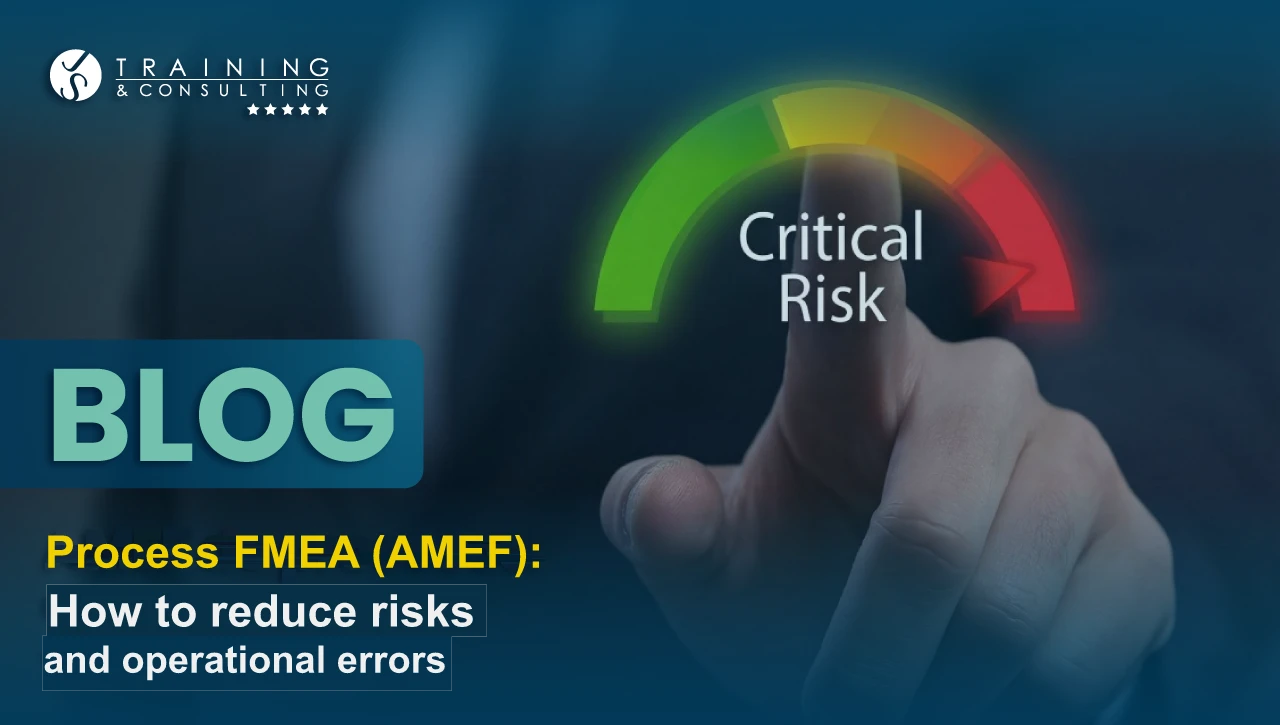
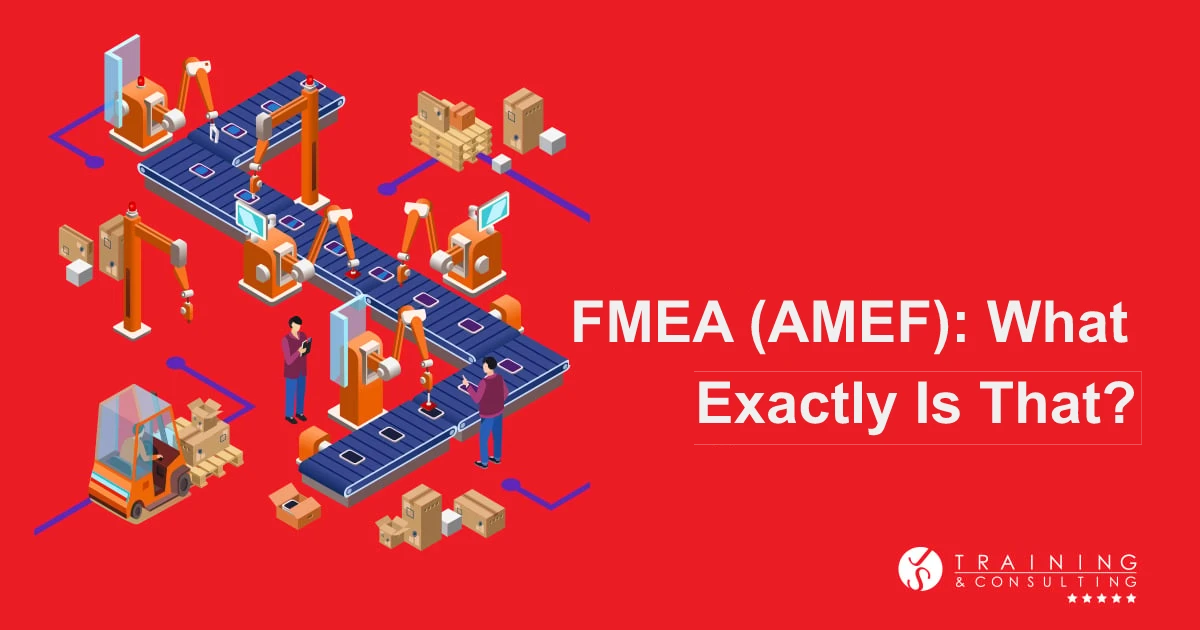
For many companies, FMEA (AMEF: Failure Mode and Effects Analysis) is a new concept today. However, this tool has been used for many years, mainly in the automotive industry. Many believe it originated there and is used only there, but they could not be more mistaken.
What is AMEF (Failure Mode and Effects Analysis)?
FMEA (AMEF, Failure Mode and Effects Analysis) is a tool used, precisely as its name suggests, to prevent failures in processes—and yes, in any process.
It was created in the 40s by the United States military and later adopted by NASA. In the 70s, Ford adopted it for the automotive industry. In the 90s, AIAG (Automotive Industry Action Group) established it as a requirement for automotive suppliers. However, as mentioned earlier, this tool is not exclusive to that industry.
The clearest current example of the use of FMEA (AMEF) is that many organizations are using it for Risk Management, which is currently a mandatory requirement of ISO 9001:2015.
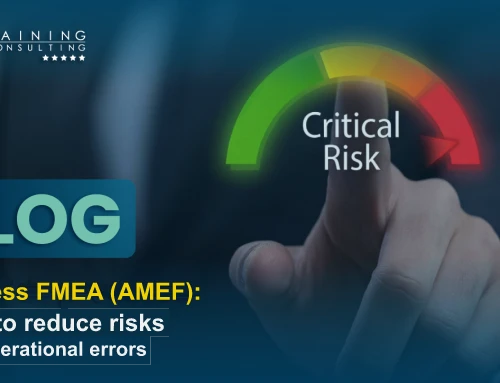
FMEA (AMEF) helps make processes efficient and failure-free by identifying potential failures, their causes and effects before they occur, with the aim of preventing them.
For example, an FMEA (AMEF) could ensure a surgical team lacks none of the tools or supplies needed in the operating room. Or it could prevent your hamburger from being meager and tasteless, making it actually resemble the one shown in marketing.
Simply put, FMEA (AMEF) must help reassure customers that all our products and services will always arrive with the promised quality and integrity and fully meet their requirements and intended functions.
How does it work? By clearly identifying potential failures in both the design and the process of our product or service, then identifying their potential causes and effects. Next, we determine how much each failure could affect the product or service's functioning through its Severity rating. We also determine Occurrence and Detection levels and establish control methods to minimize occurrence and maximize detection. Finally, we establish recommended actions to help prevent failures from ever occurring.
The process is actually simple. The difficulty lies in distinguishing failure, cause and effect, understanding the product's or service's functions and the process stages, and using these to conduct an appropriate FMEA (AMEF).
Want to prevent and properly manage risks in your organization? Use FMEA!
We can help you with our specialized training in the tool. Ask about it.