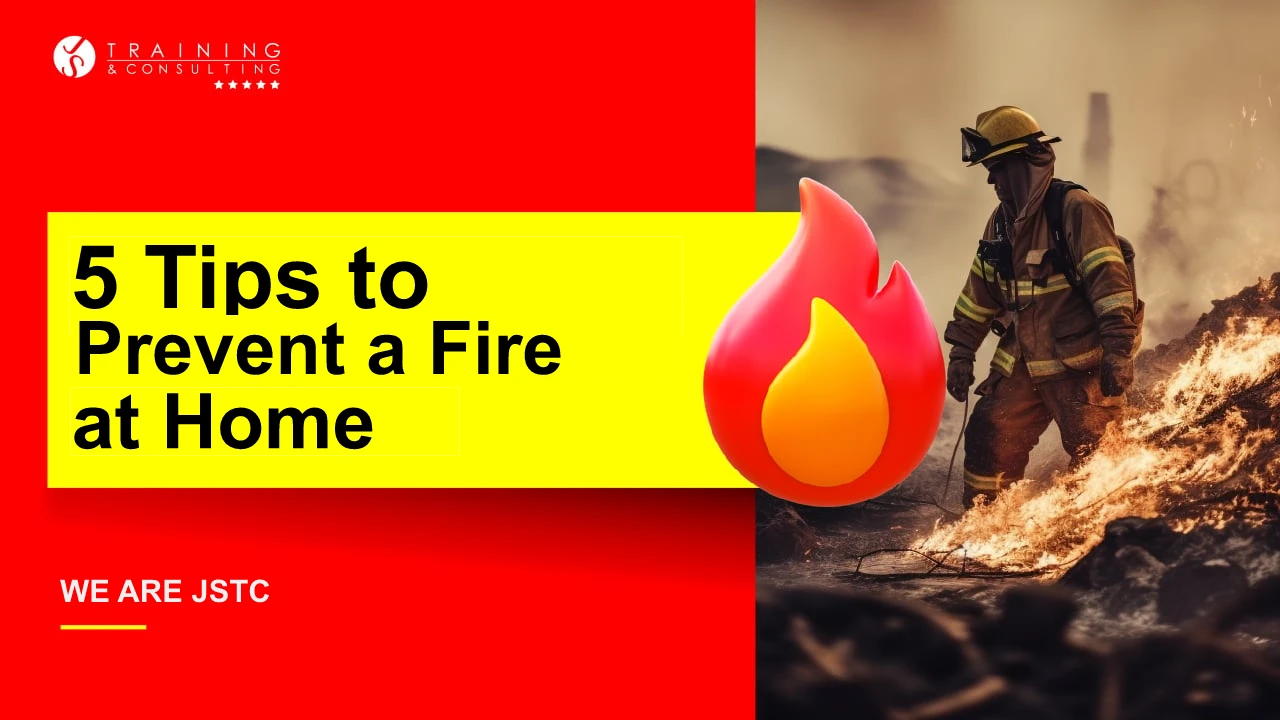
5 Tips to Prevent a Fire at Home
Prevention to keep your family and home secure
5 Tips to Prevent a House Fire. House fires are one of the leading causes of injury and loss of life worldwide. As a firefighter with fire expertise, I understand the importance of prevention in keeping your family and home safe. In this article, I will share five essential tips for preventing house fires. From inspecting gas installations to using appliances safely and taking precautions with children, every tip is essential to minimizing the risk of fire in your home.
Before starting with the tips, it is important to understand: what is a fire?
A fire is an event involving uncontrolled combustion of flammable materials such as wood, paper, fabric, oil, gas or anything else that can burn. This combustion generates flames, heat and smoke, which can spread the fire and harm people, property and the environment. Fires vary in size and severity, from small incidents at home to devastating wildfires or industrial fires.
Discover the Fire Triangle
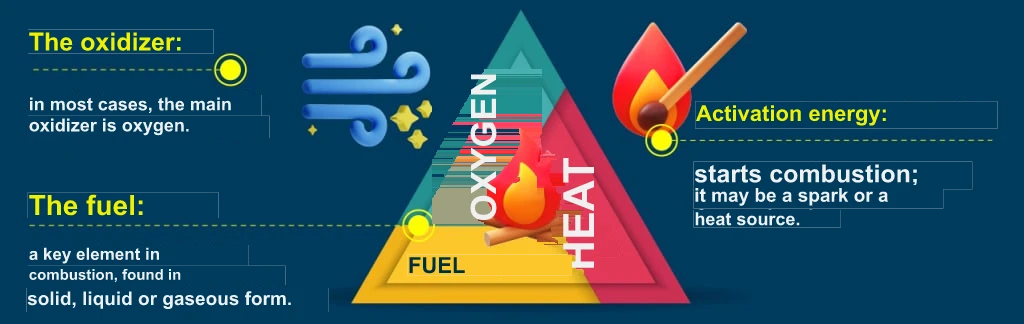
JS Training and Consulting Fire Triangle
1. Gas installations
Gas installations at your home can be a potential source of fires if they aren't properly handled. Here are some key guidelines to avoid problems:
- Regular maintenance: Make sure a qualified professional inspects and maintains your gas systems periodically. This includes inspecting pipes, valves, and connections.
- Leak Detection: Install gas detectors where gas appliances are used, such as the kitchen or water heater. They will alert you to a gas leak.
- Suitable ventilation: Be sure that your home is well ventilated, especially when using a gas device. Lack of adequate ventilation can increase the risk of an accumulation of flammable gases.
2. Electrical installations
Electrical problems are another common cause of household fires. Here are some tips for keeping electrical installations safe:
- Qualified Professionals: Hire a certified electrician for any home electrical work, ensuring connections and wiring are installed correctly.
- Replacing Old Cables: If your home has old or worn electrical wiring, consider replacing it. Worn wiring is a major risk.
- Do Not Overload Electrical Outlets: Avoid connecting too many devices to a single outlet or power strip. Electrical overload can cause a fire.
3. Household appliances
Appliances are fundamental to modern life but can cause fires when used incorrectly. Here are some tips:
- Regular maintenance: Be sure that your appliances are in good condition and functioning properly. Replace or repair any defective device at once.
- Disconnection When Not in Use: Unplug appliances when they are not in use, especially those that generate heat, such as irons and toasters.
- Regular cleaning: Clean filters and areas around appliances such as refrigerators and dryers regularly. Accumulated dust and grease can be flammable.
4. Caution with Children
Young children are curious by nature and can be vulnerable to fire dangers. Here are some recommendations:
- Education: Teach your children about the dangers of fire and how to behave in a fire. Practice evacuation drills at home.
- Dangerous Products blocking: Store flammable materials, such as matches and lighters, out of children’s reach.
- Supervision: Never leave children unsupervised near lit candles, stoves, or dangerous appliances.
5. Other Tips
In addition to the above-mentioned issues, here are some additional advice to prevent fires at home:
- Fire extinguishers: Keep fire extinguishers at strategic locations in your home and make sure you know how to use them.
- Smoke detectors: Install smoke detectors throughout your home and change batteries regularly.
- Evacuation plans: Create and practice an evacuation plan with your family to make sure everyone knows what to do in case of a fire.
- Avoid Unsupervised Candles: If you use candles at home, never leave them unsupervised and put them away from flammable materials.
- Safe Chemical Storage: Keep domestic chemicals, such as cleaners and aerosols, at a secure and well ventilated place.
Checklist to Prevent Fires in Your Home
Here's a checklist with 10 key points to check to prevent fires at your home:
- Regular maintenance of gas installations.
- Recruitment of trained professionals for electrical jobs.
- Replacement of old or worn electrical wires.
- Unplugging appliances when not in use.
- Regular cleaning of appliances and surrounding areas.
- Fire safety education for children.
- Keeping hazardous products locked away from children.
- Supervision of children near sources of heat and fire.
- Maintenance of fire extinguishers and smoke detectors.
- Practice of an evacuation plan in case of fire.
Following these tips and inspecting your home regularly can significantly reduce fire risks and protect family and property. Prevention is key, and home safety begins with you.
Keep Your Home Safe!
5 Tips to Prevent a House Fire. Do not wait for a fire before taking action. Share this article with loved ones to raise awareness of house fire prevention. Together, we can keep our families and homes safe.
If you have questions or need more specific advice, contact your local fire department or a fire safety professional. Your safety and your family's safety matter most.
Do You Know About Dry Chemical (PQS) Fire Extinguishers? Discover Them in Our Blog – Wings E-Training
Industrial Safety Courses for Companies
Author: Engineer Fernando Galaviz – STPS-certified instructor and active contributor to JS Training & Consulting