
What is business coaching, who is it for, and how can you implement it successfully?
Business coaching has become a strategic tool for developing leaders, improving team performance and strengthening organizational culture. Yet many companies still confuse it with traditional training or simple motivational sessions.
This article explains what it really is, who it is for and how to apply it effectively in your organization.
What is it, and how does it differ from training?
Business coaching is a structured support process for developing skills, leadership and decision-making within an organization.
Unlike traditional training:
- It does not focus solely on transferring knowledge.
- It works on skills, mindset and behavior.
- It encourages reflection and action.
- It focuses on measurable results.
While a course teaches “what to do,” coaching helps people discover “how to do it better” in their actual workplace.
Who is business coaching for?
Companies implement it for different reasons, but it is particularly useful for:
- Directors seeking to strengthen their leadership.
- Managers who need to improve team management.
- Technical supervisors with staff responsibilities.
- Growing companies facing organizational difficulties.
- SMEs seeking to professionalize their internal structure.
If your organization is growing and conflicts, poor communication or low commitment are emerging, it may be time to consider this tool.
Clear signs your company needs it
Certain indicators reveal that things are not working as they should. Common signs include:
- High staff turnover.
- Demotivated or disengaged teams.
- Frequent conflicts between departments.
- A lack of leadership in middle management.
- Consistently unmet goals.
When these problems recur, the cause is not always a lack of technical knowledge; it may involve leadership and management skills.

Real benefits for productivity and workplace climate
Properly implemented, business coaching can produce visible results quickly.
Its main benefits include:
- Improved internal communication.
- More self-aware, effective leaders.
- Clearer goals and responsibilities.
- Greater team commitment.
- Better performance against key indicators (KPI).
It also strengthens organizational culture by encouraging accountability, trust and strategic alignment.
How to implement it step by step
Applying it without structure can lead to frustration. For results, follow a clear process:
- Organizational assessment
Identify improvement opportunities, conflicts and strategic goals. - Define specific goals
Set measurable goals aligned with the business plan. - Train or certify internal leaders
Developing internal coaches helps maintain continuity. - Follow-up and evaluation
Measure progress through indicators and ongoing feedback.
The key is understanding that this is not a one-off event, but an ongoing improvement process.
Common implementation mistakes
Some organizations fail to get results because of mistakes such as:
- Thinking it is just motivation.
- Not defining clear goals.
- Not involving senior management.
- Not measuring results.
- Applying it without a structured methodology.
Avoiding these mistakes significantly increases the likelihood of success.
So, is it worth it?
Business coaching is worthwhile when there is a genuine intention to improve how people lead and manage teams. It is neither a magic nor an immediate solution, but a strategic tool that, implemented well, strengthens communication, decision-making and accountability. Its impact is particularly visible when management participates and the process follows a methodology with ongoing follow-up.
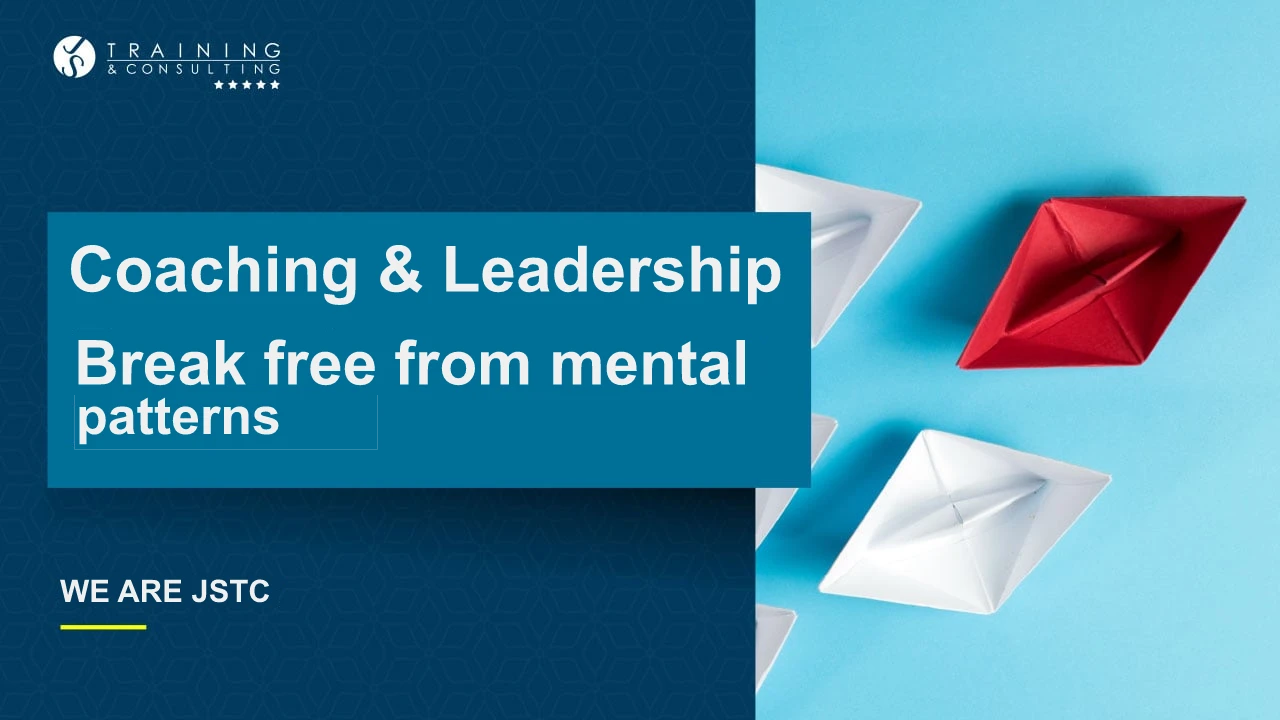
For companies seeking to professionalize leadership and create sustainable change, proper training is essential. Specialized programs such as the Coaching and Leadership course from JS Training & Consulting can provide a strong starting point for developing leaders who apply this approach systematically and realistically within their teams.