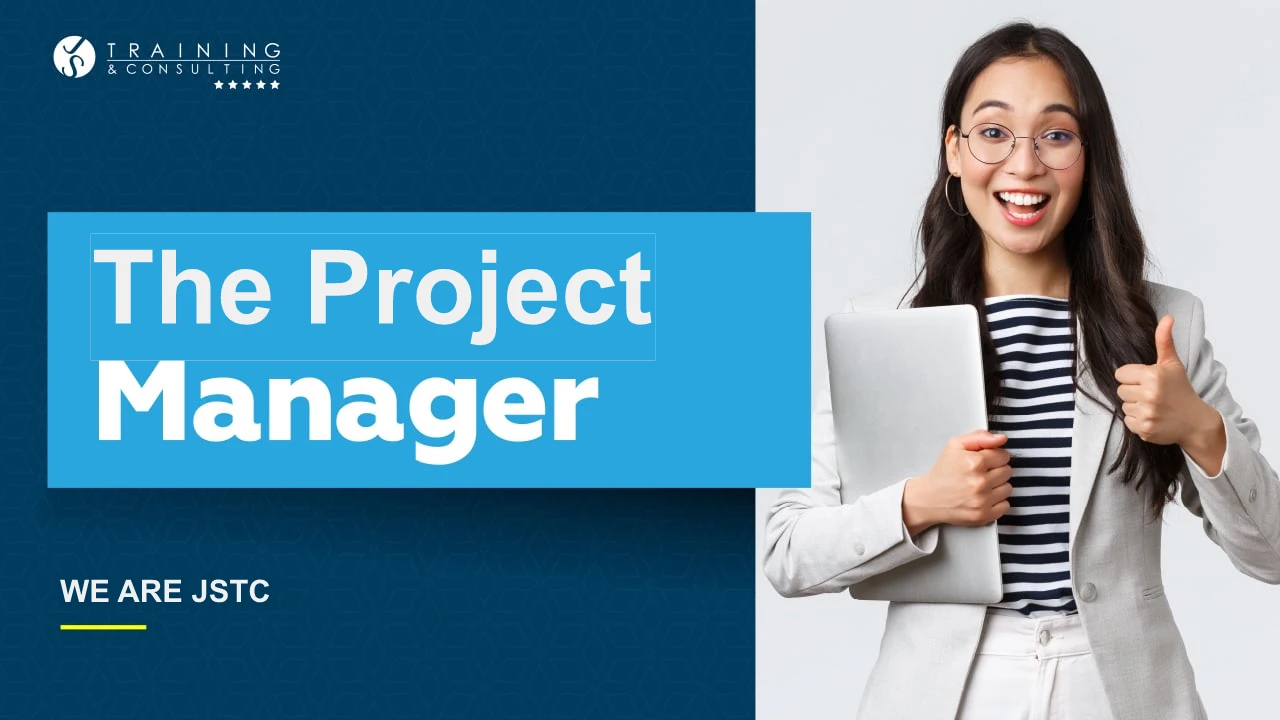
The Project Manager
More than a leader, a true strategist.
When we discuss the Project Manager, we all think of the project leader: the person who keeps us moving, looks after the money, reviews customer needs and performs many other activities. Yes, that is all correct, but the main thing to understand is that the Project Manager is the project's strategist.
This person may sometimes irritate us because of their intensity in directing and managing the project. Nevertheless, we need to understand their role in project management.
A Project Manager is
A project manager, also called a project director, is the professional responsible for planning, executing and supervising a project from beginning to end. Their main objective is to achieve the established goals within the allocated time, budget and resource limits.
The Project Manager should have strategic skills such as:
- Recognize what each stage of the project are – to manage it properly, secure the resources needed to complete each stage on time and as required, and ensure its proper progress.
- Time management - To be able to understand and manage the importance of performing every activity and task at the appropriate time and to make the team aware of the importance of time.
- Effective communication – know how to properly communicate changes, improvements, and anything that affects the project.
- Problem analysis and solving - you have to know how to identify problems, define them, generate effective solutions and get ahead of them.
- Leadership – to guide their employees, motivate them, empower them, and build high-performance teams.
With these skills, the Project Manager must guide the project and perform their duties properly. These functions and responsibilities can be summarized as follows:
- Presentation of project to the client - The Project Manager shall define and report to the client the project, its phases and timeline of each and of the project as a whole.
- Building the project schedule – the project schedule includes not only timelines for every defined task and activity, but also the resources and people responsible for each.
- Establish objectives and goals – they must always be defined as realistic, measurable and achievable.
- Monitoring tasks – this is their main function: never lose sight of completing tasks and meeting requirements, maintaining an overview of the project and empowering team members to take responsibility for assigned tasks.
- To conduct negotiations with the client – reviewing project progress with them to identify their requirements and difficulties, and negotiating alternatives to bring the project to a successful conclusion.
- Resource management – without human, financial, material and technological resources, the project is unlikely to be completed within agreed timelines. The Project Manager must ensure all necessary resources are available while managing project costs and budgets. Resource optimization is a very important part of the role.
- Damage Control – this function is fundamental, especially when a project does not go as expected or unforeseen events prevent the agreed timeline from being met. The Project Manager must know how to respond appropriately with the client to control the damage and minimize its impact as much as possible.
As you can see, dear readers, a Project Manager is very important in organizations. It is a skill few professionals possess, yet fundamental, especially in managerial or executive positions.
If you have to acquire these skills, we can help you!
Know our 100% online certification Project Manager
Leave your fears, live your dreams!