Lean Methodology
How to achieve perfection by reducing waste?
Whether you manufacture or develop a product or service, or serve your customers, one of your most important objectives is surely better results with less waste and expense.
¿What Is the Lean Methodology?
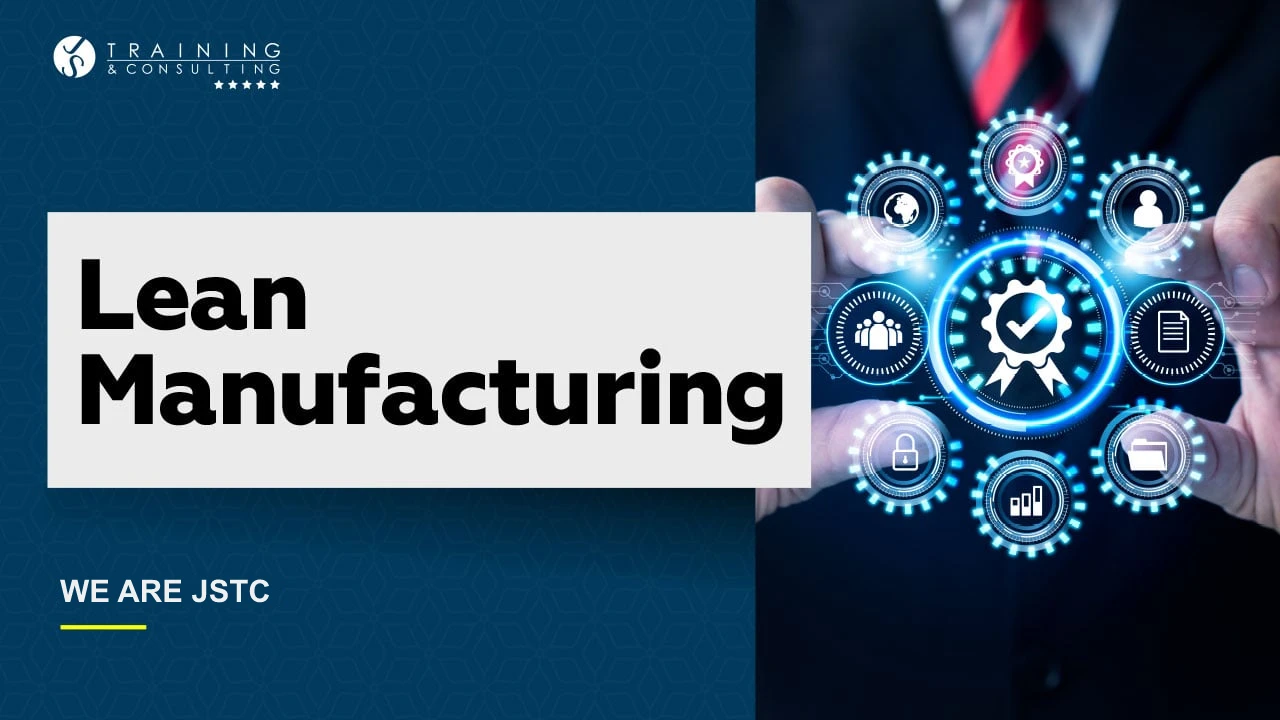
The Lean methodology, also known as Lean Manufacturing or Lean Thinking, is a management approach that aims to remove waste and optimize processes to achieve more efficiency in an organisation. It originated from Toyota in Japan and has been widely adopted in different sectors of industry.
aims to remove waste and optimize processes
Lean’s fundamental principle is to deliver customer value while minimizing or eliminating all forms of waste. Waste, known as “muda” in Japanese, is any activity or process that adds no value to the final product or service. Lean focuses on identifying and eliminating or reducing the following eight types of waste:
Overproduction
Producing more than needed before customers request it, causing unnecessary inventory, additional storage space and associated costs.
Waiting time
Any time during which products, materials, or information remain idle or wait for additional processes, delaying delivery to the customer and slowing workflow.
Transport
Unnecessary movement of products, materials or information between locations, which can lead to additional costs, damage or time loss.
Excess processing
To conduct more work than necessary to produce a product or service, to add unnecessary characteristics or specifications that are not valued by the client.
Inventories
To maintain stocks or inventories in excess, be they raw materials, products undergoing processing or products completed, leading to storage costs and risk of obsolescence.
Movement
Unnecessary movements of people, work equipment or tools that add no value and can cause injuries or delays.
Defects
Products or services that do not meet customer's requirements or expectations, leading to rework, waste of time and resources.
Underutilization of human talent
Not fully using employees' skills and knowledge, limiting active participation and contribution to continuous improvement.
Lean uses specific tools and techniques, including continuous flow, just-in-time, standardization, Kaizen (continuous improvement) and teamwork. It also emphasizes listening to employees, involving them in decisions and fostering constant improvement.
When applying the Lean approach
organisations can achieve numerous benefits, such as more operational efficiency, reduced costs, improved product or service quality, faster delivery times, more customer satisfaction and a more agile and adaptable organisational culture.
To sum up, the Lean methodology aims to eliminate waste and optimize processes to improve efficiency and provide more value to the client. By identifying and eliminating the eight types of waste, organisations can achieve more productivity and competitiveness in the market.
————————————————————————————————
Want to train your staff? We can help: Certifications Exemplar Global
————————————————————————————————
Discover our online course and certification platform Wings E-Training