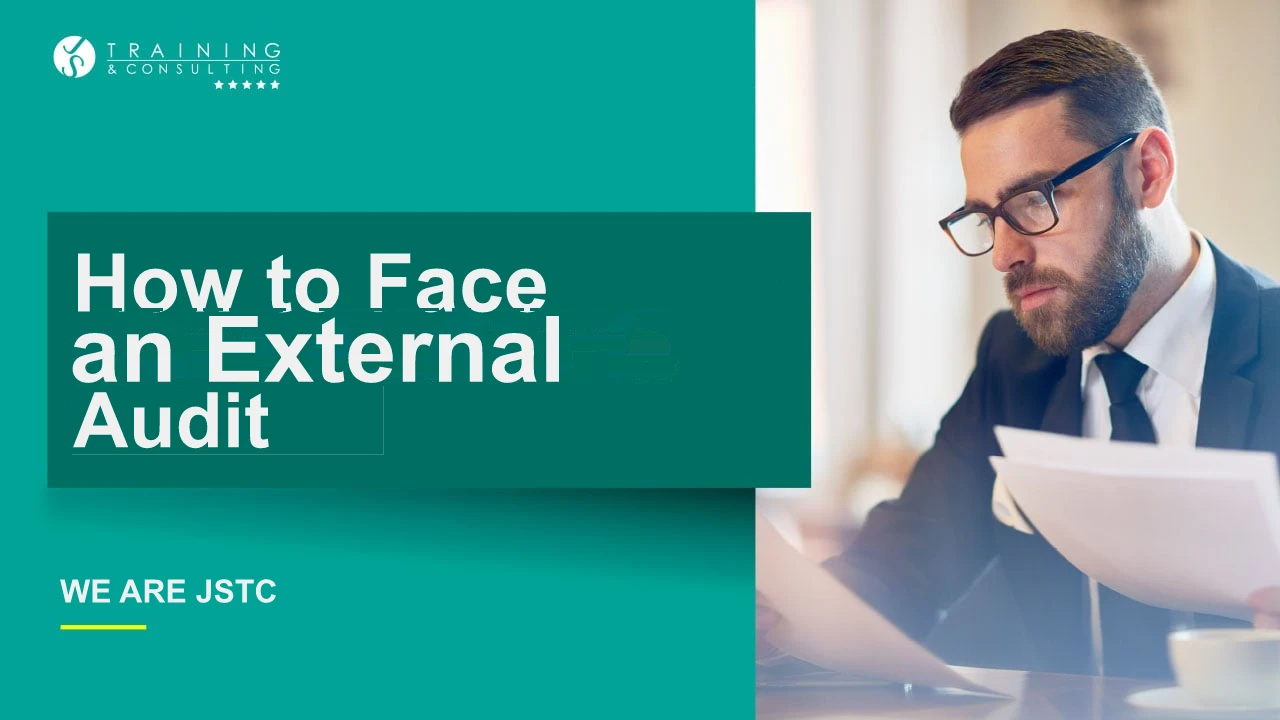
How to Face an External Audit
A complete guide for professionals and businesses
How to Prepare for an External Audit. An external audit can cause apprehension. With proper preparation and understanding of the processes, however, it becomes an opportunity to improve organizational transparency and efficiency. This article explores what an external audit is, what it assesses and clear examples for a complete understanding.
What's the External Audit?
An external audit is a systematic, independent review of an organization's financial statements, internal controls and operational processes, conducted by an independent external auditor. Its main objective is to provide an impartial opinion on the reliability and accuracy of the financial information presented by the company.
What Is Evaluated in an External Audit?
A number of key aspects of an enterprise are evaluated in an external audit to ensure the accuracy and transparency of its financial information. Some of the elements evaluated include:
1. Normative and Legal Compliance
It checks whether the company complies with the financial regulations and regulations currently in place at local and international level.
2. Financial statements
The auditor examines financial statements, including the balance sheet, income statement and cash flow, ensuring accuracy and compliance with applicable accounting principles.
3. Internal controls
Internal controls of the company are analysed to identify potential weaknesses or deficiencies that may compromise the integrity of financial information.
4. Operating processes
Company operational processes are reviewed for improvement opportunities and efficient, effective resource management.
Example of conducting an audit
Imagine an automobile manufacturing company undergoing an annual external audit. The external auditor appointed by the company reviews its financial statements, internal controls and operational processes in detail.
A discrepancy with the accounting records related to production costs was found during the audit and after an exhaustive investigation, an accounting error was found as a result of an incorrect entry into the accounting system.
The External auditor work closely with the company's financial team to correct the error and put in place preventive measures to avoid future discrepancies. At the end of the audit, a report with recommendations to improve internal processes and to ensure the accuracy of financial information is issued.
That example illustrates how an external audit not only identifies potential errors or deficiencies but also provides useful recommendations to strengthen internal controls and improve transparency and reliability of financial statements.
Applicable Quality ISO Standards
The ISO 9001 and ISO 19011 standards are particularly relevant in the context of an external audit. ISO 9001 lays down the requirements for an effective quality management system while ISO 19011 provides guidelines for the audit of quality management systems.
Conclusions
Facing an external audit may seem challenging, but with proper preparation and a clear understanding of the processes involved, companies can turn it into an opportunity to improve transparency and operational efficiency.
By maintaining accurate financial records, establishing strong internal controls and collaborating closely with external auditors, organizations can ensure a successful audit and use recommendations to drive business excellence.
Remember, an external audit isn't only a regulatory requirement but also an invaluable tool to strengthen an enterprise's integrity and reliability in the market.
An external audit can be beneficial when approached with the right mindset and established processes. By paying proper attention to detail and collaborating with external auditors, organizations can ensure regulatory compliance and improve operational and financial performance.
Uncover internationally endorsed certifications That make us unique.