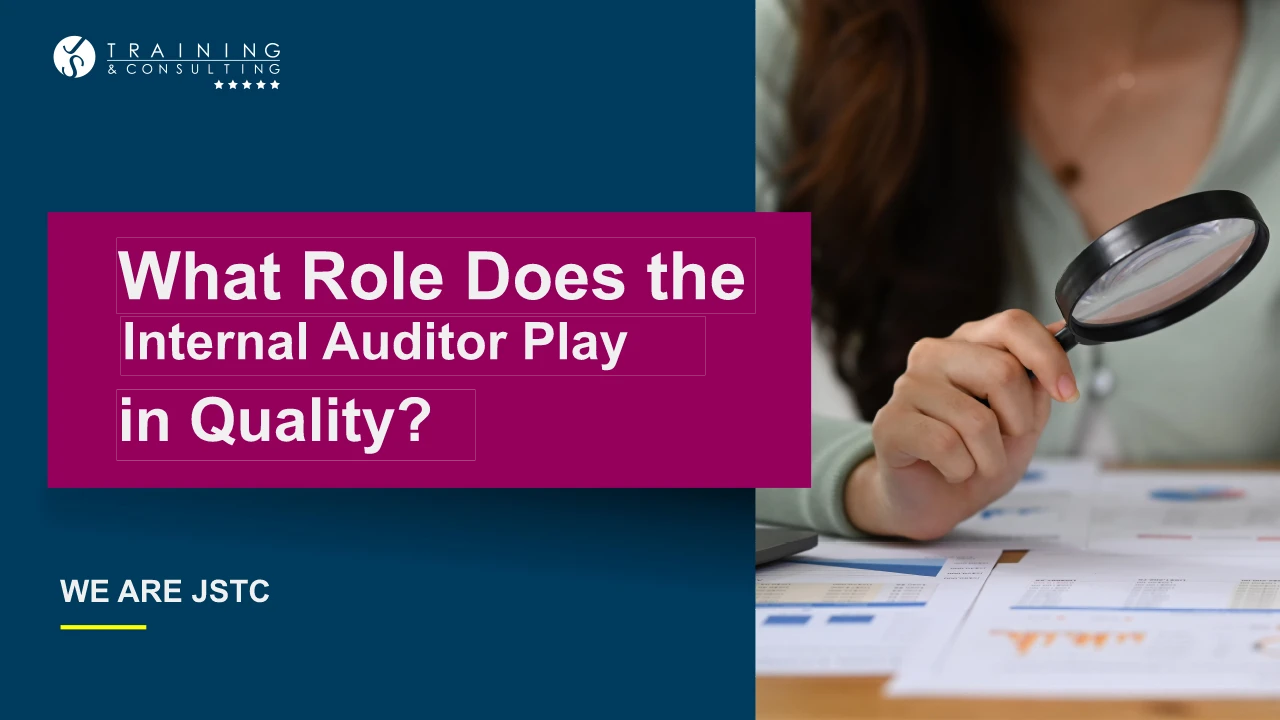
What role does the Internal Auditor play in quality?
Quality is a determining factor for success
What Role Does the Internal Auditor Play in Quality? Quality determines any organization's success and sustainability. Internal auditing is a key element in ensuring and continuously improving quality. In this article, we explore the internal auditor's fundamental role in quality, answering crucial questions about who these professionals are, their professional profile and the functions they perform during an internal audit.
What's the Internal Auditor?
An internal auditor is a professional responsible for evaluating and improving the effectiveness of an organization's risk management, control and governance processes. Their main mission is to ensure systems and procedures operate according to established regulations and policies, identifying opportunities to improve process efficiency and effectiveness.
What's an Internal Auditor's Profile?
An internal auditor's profile combines technical knowledge, analytical skills and a solid understanding of regulations and auditing practices. Some of the most important aspects of an internal auditor's profile include:
- Academic Training: An internal auditor generally has training in accounting, business administration, finance, or related areas.
- Professional Certificates: Certifications such as Certified Internal Auditor (CIA), ISO 9001:2015 Lead Auditor, and others are highly valued and demonstrate specialized knowledge.
- Analytical skills: An internal auditor should have exceptional skills to analyse data, identify trends and detect anomalies.
- Integrity and Ethics: Impartiality and ethics are vital as internal auditors have to conduct objective and fair evaluations.
What Professional Can Be Internal Auditor?
Any professional with appropriate training and the competencies mentioned can aspire to become an internal auditor. Experience in quality control, auditing and risk management is essential. Continuing education and staying current on regulations and standards are also crucial to remaining effective in the role.
Duties of Internal Auditor During an Internal Audit
An internal auditor’s functions during an internal audit are varied and essential for maintaining and improving quality management systems. The most relevant functions include:
- Audit planning:
- To define the objectives and scope of the audit.
- To develop a detailed audit plan that includes schedules and necessary resources.
- To identify the processes and areas that will be audited.
- Audit performance:
- To collect and analyse data through document review, interviews and direct observation.
- To evaluate compliance with established processes and procedures.
- To identify deviations, nonconformities and opportunities for improvement.
- Audit report:
- Document audit findings clearly and concisely.
- To prepare a report with recommendations to remedy non-conformities and improve processes.
- Present the results to senior management and interested parties.
- Monitoring:
- Check the implementation of the recommended corrective and preventive actions.
- Ensure that the proposed improvements are effective and sustainable.
- conduct monitoring audits to evaluate progress and continuous improvement.
Best Practices of Globally Recognized Internal Auditors
The world’s most recognized internal auditors follow a series of best practices that ensure effective audits and the maintenance of high quality standards:
- Risk-Based Approach: Prioritize high-risk areas to maximize audit impact.
- Effective communication: Keep an open and transparent communication with all parties involved.
- Further training: To participate in training and certification programs to stay up to date with latest standards and best practices.
- Technology Use: To use audit tools and software to improve the accuracy and efficiency of the audit process.
The importance of continuing training
The role of an internal auditor in quality is crucial to the success of any organization. Ongoing training and adherence to best practices are essential for internal auditors to fulfill their responsibilities effectively. Investing in their professional development not only improves audit quality but also contributes to continuous improvement of quality management systems.
Do you want to make sure that your team of internal auditors are always at the forefront? Invest in training and certification programs to keep them up to date and improve the quality of your internal audits. Exemplar Global Certifications