What are OKR and how to implement them in your organization
In today’s business environment, a major challenge is not just defining goals, but ensuring every team, process and decision advances toward a shared purpose. Without strategic clarity, efforts become scattered, productivity falls and sustainable results are harder to achieve. Methods that organize priorities, measure progress and strengthen execution are therefore necessary to compete more effectively.
In this context, the OKR have been established as a strategic methodology which helps translate business vision into concrete actions. Its structure sets clear objectives and measures progress through specific results, strengthening alignment, leadership and organizational growth.
What OKRs Are and How They Work
The OKR (Objectives and Key Results) are a management system that helps organizations define strategic objectives and link them to measurable indicators. This methodology consists of two elements: the target, which defines what is to be achieved, and the key results, which measure progress toward that goal.
Implementation lets every department understand organizational priorities and its actions' contribution to overall results. This improves focus and strengthens decision-making and prevents targets from falling only into intention. That's why, methodologies such as those shared by Google re:Work have driven its adoption as a key tool for improving execution and performance.
The Relevance of OKRs to Organizational Growth
Many companies have talent and resources but face challenges at the time of applying strategies with precision. That's where OKR bring value as they provide a clear structure for focusing efforts at strategic priorities.
Implementing them allows:
- Define priorities clearly
- Aligning departments to common goals
- Improving productivity
- To measure continuous progress
- Strengthen leadership
- Fostering sustainable growth
When an organization uses OKR correctly, each employee understands what is expected of their performance and how it affects overall growth.

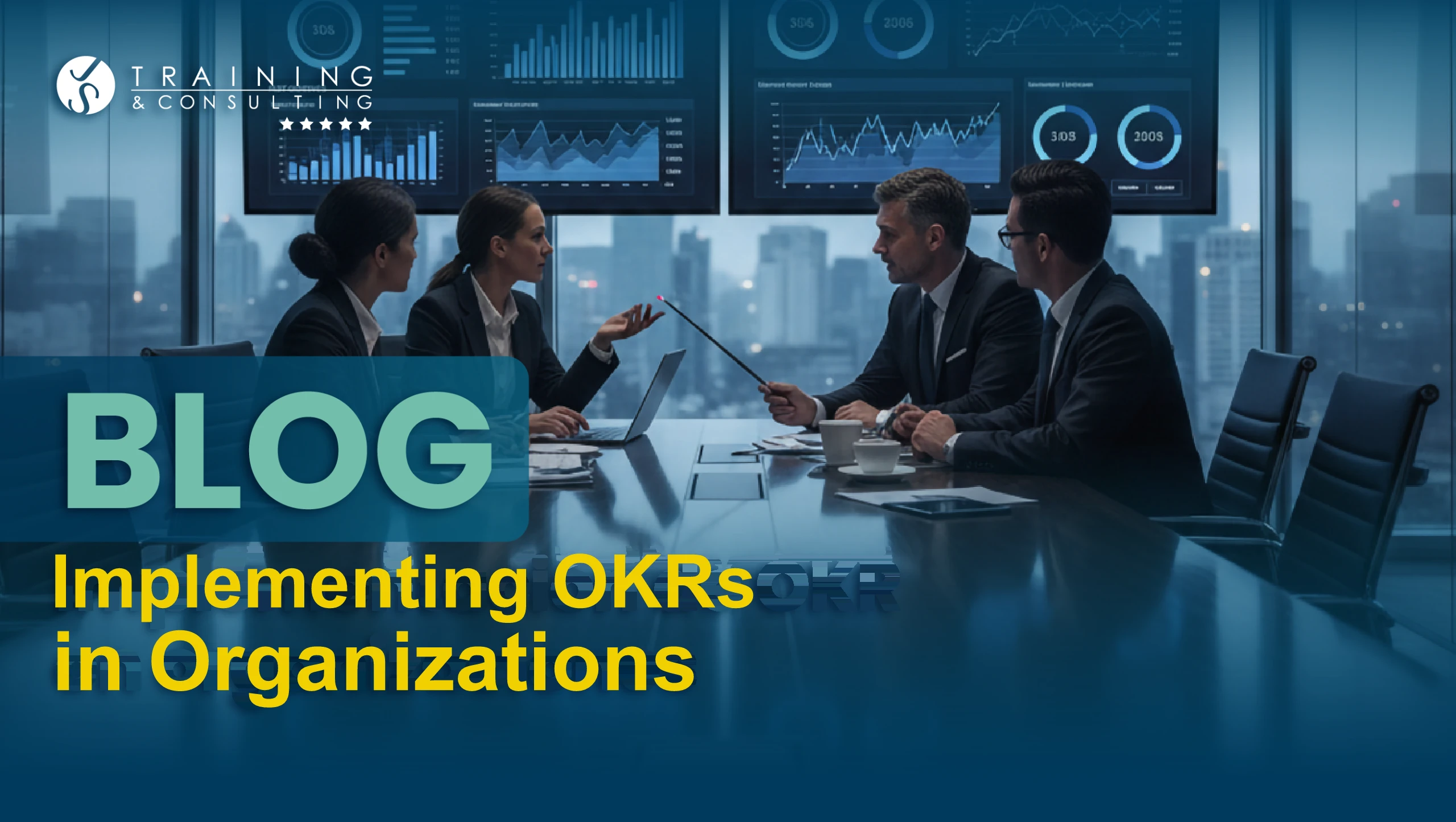
Alignment of key goals and measurable results through teamwork.
Benefits of implementing OKR in your organisation
Implementing OKR not only improves planning, but also transforms how a company operates. By working with clear objectives and specific metrics, organizations can optimize resources and focus on real priorities.
Between his most important benefits Highlights are:
- Increased strategic approach
- Better alignment between work teams
- Ongoing monitoring
- Organizational transparency
- Metrics-Based Decision-Making
- Increased commitment to human talent
These also make it easier to identify areas for improvement and adjust strategies more quickly.
How to design effective OKR
To generate solid results, OKRs must be designed strategically. To ensure their effectiveness, they must be:
- Clear and specific
- Measurable
- Challenging but achievable
- Aligned with the organizational vision
- Assessable at Defined Intervals
The key is to focus on what's really important. A well-designed system allows us to direct resources and efforts to targets that really drive growth.
Steps to successfully implement OKR
- To define strategic priorities: To identify the most important goals for the growth and direction of the organisation.
- Align Teams and Departments: Ensure that each area sets OKR connected with the company's general goals.
- To set measurable key results: To create clear, specific and measurable indicators to evaluate actual progress.
- Monitoring and constantly revising: Regular monitoring of progress to adapt strategies as necessary.
- To promote organizational transparency: To share goals and progress to strengthen collective commitment, collaboration and responsibility.

The continuous monitoring of the indicators ensures that the Organization's great objectives are met.
Common errors while applying OKR
Although they are a powerful tool, their misimplementation can limit results.
The more common errors include:
- Too many targets
- Results That Are Difficult to Measure
- Lack of Follow-Up
- Misalignment between leadership and operations
- Confusing tasks with results
To avoid these errors allows us to better harness the potential of this methodology.
Conclusion: transform targets into growth
The OKR not only serve as a methodology for defining objectives, but also as a tool capable of deeply strengthening organizational culture. By establishing clear priorities, measurable results and a shared direction, companies align teams, optimize leadership and build structures more focused on performance.
When they are strategically integrated, they promote a culture of continuous improvement, responsibility and collaboration, where every employee understands how their work directly affects overall growth. This develops more agile, competitive organizations prepared to adapt to new challenges.
To complement this methodology with training, continuing training and specialized courses in leadership, organizational development or strategic implementation can further strengthen an enterprise's internal capabilities by promoting more prepared work teams and long term sustainable growth.