The strong and assertive negotiator.
What is effective negotiation?
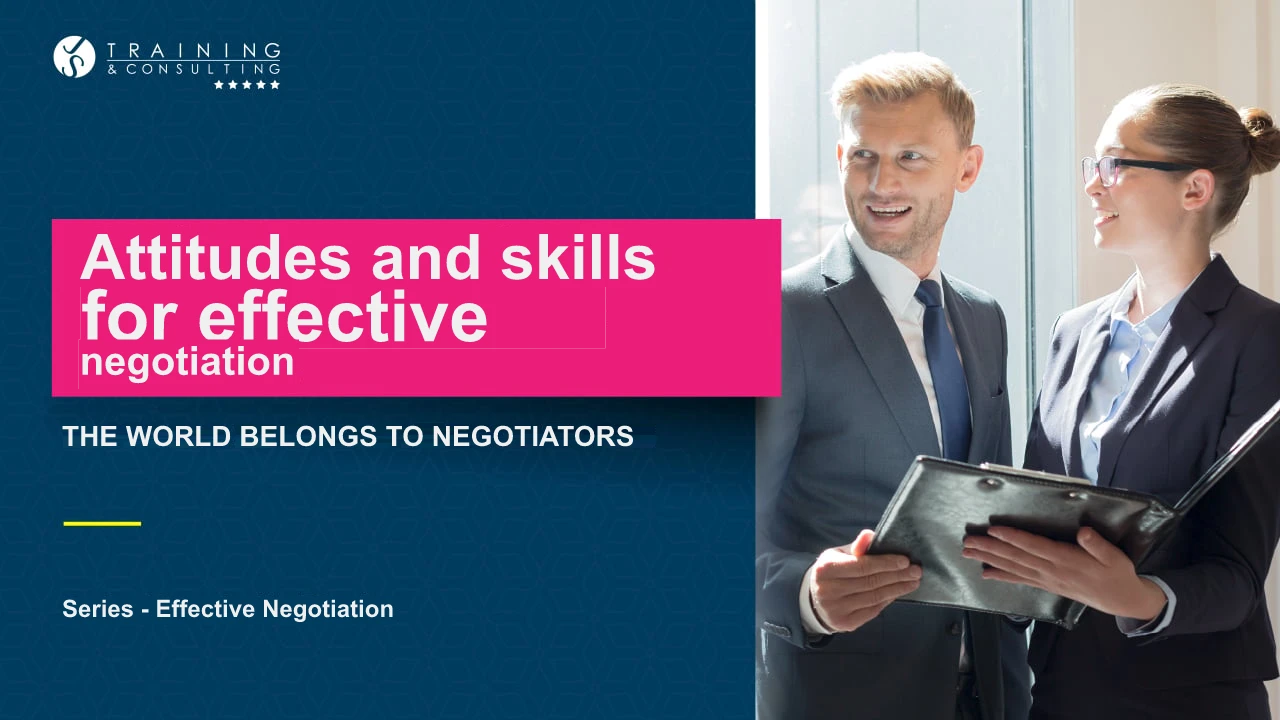
Effective negotiation is an essential competency for middle management and above, or whenever we begin managing people. No good executive should lack it. Negotiation has become a science—or an art, as some say—and two major schools currently promote this skill: Karras and Harvard.
The negotiations have become an entire science, an art they said out there
Both schools are similar; you could say they share the same foundation. But we must understand negotiation’s inner workings more deeply. This series explores recommendations, tips and techniques to bring out the strong, assertive negotiator in all of us. Dear reader, we start negotiating from the moment we are born. We recommend this article: from negotiation to stress management.
The blessed conflict
The first common mistake is a lack of clarity about the conflict. For example, in a commercial exchange, the customer is negotiating price while the supplier is negotiating credit terms. These are not the same thing at all. Both processes are related and go hand in hand, but they are completely different.
The science of conflict lays down that
We need greater assertiveness to move forward with negotiation. If we are not aligned on where the process is heading, it is as if we were negotiating at different tables, with one person on floor 1 and the other on floor 7. An agreement will never be reached; it is impossible! Therefore, we need clarity on:
- What type of conflict is it? There are generally 3 perspectives: communication—we do not fully understand each other; perception—we see the same color in different shades; and critical or emotional, depending heavily on context. Without this clarity, we cannot determine how to proceed. I would say 80% of problems stem from communication failures.
- What kind of conflict is it: individual or group? Individual conflict occurs between people because of desires, frustrations or fears. Group conflict concerns areas, departments or companies, involving a situation or object of disagreement. Which should we focus on? If you seek to negotiate professionally, the appropriate focus is group conflict. If you are negotiating with your wife, you cannot escape the individual kind.
- Conflicts also arise according to their nature, including political, economic, labor, and armed conflicts, among others.
As you might expect, this series focuses on workplace conflict and the skills needed to become a strong, assertive negotiator. To begin, ask yourself: What type of conflict am I trying to negotiate? What is my counterpart focused on? If the answers do not align, first clarify or align your intentions and negotiation objectives so you can sit “at the same table” and begin the process.
In the next installment, we will explore the factors influencing every negotiation so you do not arrive unprepared.
Know our online training platform Wings E-Training
Do you have an interest in an effective negotiation course? Click Here to View the Course Outline