A couple of weeks ago, one of our clients called and asked, in a noticeably distressed tone, whether we could help her team. She said the workplace atmosphere was poor and difficult; in short, the tension was so thick you could cut it with a knife.
Team Building?
As in many other corporations, the first solution companies seek is the famous “Team building.” They even told us: “Several years ago, a company came in. We rented a garden and had something like a day off. These consultants had us doing sack races, paintball and wheelbarrow races; it was like a fair. It was fun, honestly, but it did not work.” Of course it was not going to work! There is a mistaken concept of team building based on the premise that accounting and finance do not get along, marketing and sales hate each other, management lives in a bubble, and human resources… the ever-underappreciated human resources team spends its life putting out fires here and there, hiring and dismissing people, always charged with improving the team.
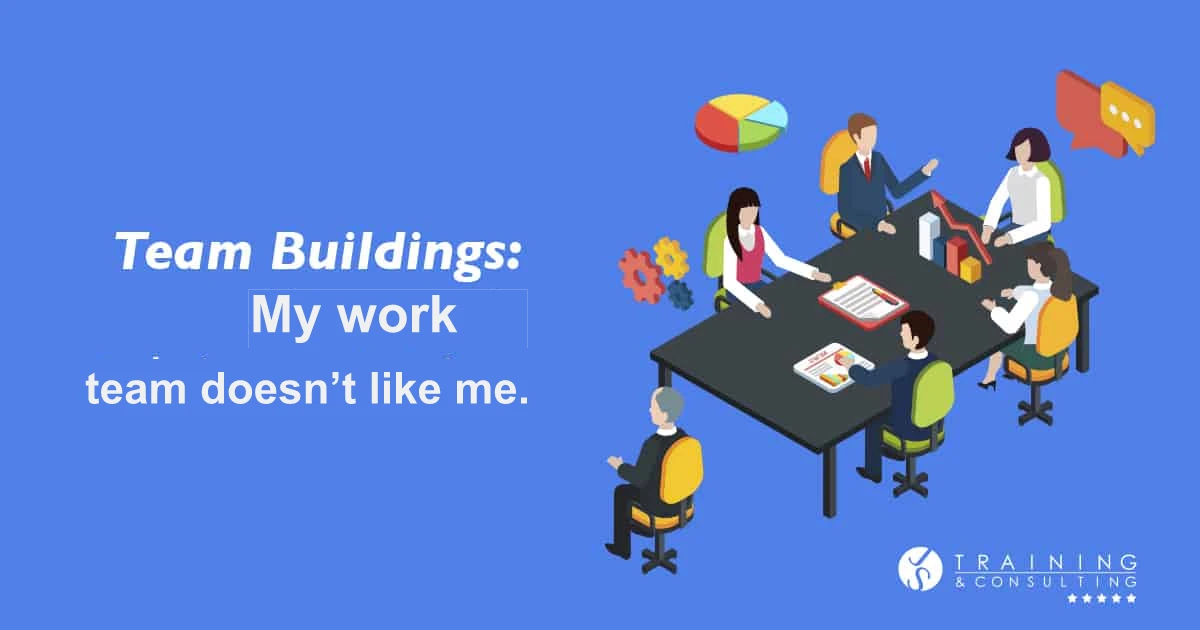
“No matter what actions we take or how much effort we make, my team does not like me. How can you help?” In our experience, this situation is common in companies—more widespread than you might think. Sadly, management undervalues these efforts, assuming everything is about “hitting the numbers.” Well, yes—if you are not Mexican and come from a culture of work, work, work.
So, let’s take this step by step.
First, consider whether your company really needs team building: these activities do not solve everything. The main question is whether to hold the event at the beginning or end of this long process. Timing makes a significant difference, but it cannot be an isolated exercise. It should be accompanied by non-training activities that reinforce progress or warm up the atmosphere ahead of the event.
When should you implement it at the start? When you know you need a drastic change, a quick change in the short term, and when you have deeply divided interdisciplinary teams and need a specialist’s intervention to break down those mental barriers.
So when should you implement it at the end? When the company has already undertaken various activities and actions over time and needs a decisive conclusion, a crowning achievement, the graduation of this organizational harmonization process.
Now… another point you must please consider is that the specialist you hire, whatever their title, should propose a solution tailored to your needs and areas for improvement. If they offer a project that requires your company to adapt to their days, movements, locations, schedules and activities, it is not for you. It is like doctors prescribing “paracetamol” for everything (with all due respect to my doctor friends). No, dear reader: your company has very specific needs that a good Team Building designer must grasp and understand to provide an effective solution. Besides, this is not socializing for its own sake or playing just to play. Nothing is improvised, nothing is left to “that will do” or “let us see what happens.” Every activity is planned, developed and connected to a clear learning and reflection objective.
Whether at a beach, forest, lake, garden, hotel or your company's green spaces, the consultant must adapt to those conditions for you—not the other way around.
Also consider hiring a consultant—not just someone who designs Team Building, of whom there are many. Find someone who follows up afterward and helps sustain the momentum the event generated. Without help with the “afterward,” it is not a complete solution. Anyone can run activities; only those who are prepared can develop the change agents who plant the seeds of the company's future.
Finally, our best recommendation, dear reader: understand why the team “does not like you.” People react to the communication they receive, or express dissatisfaction with stress, pressure, poor leadership and, yes, deplorable working conditions, building barriers between one another.
Where to start? With an assessment.
But that will be the issue of the next blog... stay focused.
Rock´n roll people!