Main objective of an Internal Audit
Fostering Quality and Business Trust
The Main Objective of an Internal Audit. In today’s intricate business landscape, where quality and trust are key elements for success, the Internal audit is a fundamental tool for ensuring operational excellence and compliance with standards. This article explores the main objective of an internal audit, its importance within the company and the essential links it establishes with suppliers and customers. Whether you are an internal or external auditor seeking valuable knowledge, or simply interested in how quality and trust are sustained in business, this article is for you.
Audit is the key tool for ensuring operational excellence and compliance with standards.
The main goal of a Internal Audit: Beyond the figure
The primary goal of an internal audit is evaluating and improving the effectiveness of internal controls, risk management and processes within an organization. Although often associated with financial statement reviews, internal auditing goes beyond figures to examine how a business actually operates. It identifies improvement areas, potential risks and opportunities to strengthen efficiency and effectiveness.
The Importance of Internal Audit within the Company
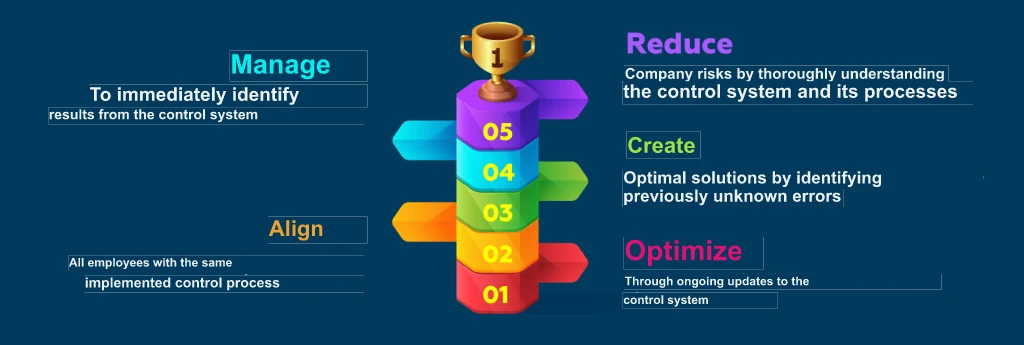
Internal auditing plays a multifaceted role within an organization, contributing to several crucial aspects:
1. Risk Identification and Mitigation
Internal auditing is vital to identifying and mitigating operational, financial and compliance risks. Thorough assessments reveal vulnerabilities and recommend preventive or corrective action.
2. Process and Efficiency Enhancement
When analyzing internal processes, the audit identifies opportunities to optimize efficiency and reduce costs. The feedback provided allows companies to realign their approach and resources to achieve more effective results.
3. Ensuring Regulatory Compliance
In a constantly evolving regulatory environment, internal auditing ensures the company complies with relevant regulations and standards. This prevents penalties and establishes a solid foundation for stakeholder trust.
4. Protection of Reputation and branding
A thorough internal audit protects the company's reputation by discovering areas that could have a negative impact on public perception. When addressing these areas, the company can preserve its integrity and reliability.
Vital Connecting with Providers and Clients
The relationship between internal auditing and suppliers and customers is closer than it may initially appear. Let’s examine how this connection is woven into the business fabric:
1. Supplier Relationships
A robust internal audit directly influences supplier selection and evaluation. By establishing clear quality and compliance criteria, the company can ensure suppliers meet expected standards. This is essential to maintaining an uninterrupted supply chain and ensuring the quality of delivered products and services.
2. Customer confidence
Customers trust that the products or services they buy meet high quality and safety standards. Internal auditing plays a crucial role in ensuring the company operates with integrity and keeps its promises. This trust produces customer loyalty and a strong market reputation.
Providing Value to Internal and External Auditors
For internal and external auditors, a profound understanding of internal audit objectives is crucial. Here are some key points that bring value to both parties:
1. Professional development
Internal auditors gain from understanding how their work contributes to the attainment of corporate objectives. That increases their sense of purpose and can lead to more robust professional growth.
2. Identification of Opportunities
Internal audit does not only seek problems but also identifies opportunities to improve. Internal auditors can highlight areas where new strategies and processes can be put into place to boost innovation.
3. Strengthening the Customer-Supplier Relationship
External auditors who understand connections between internal auditing, suppliers and customers offer more holistic advice, benefiting the audited company and strengthening customer trust.
Expand Your Perspective on Internal Auditing
Whether you are an internal auditor, external auditor or simply interested in business management, understanding an internal audit's main objective is essential. If you are an internal auditor, explore how your work contributes to operational excellence and organizational quality. If you are an external auditor, consider how your advice can enrich the company's relationships with suppliers and customers.
Internal audit goes beyond financial statements and figures. It's a lens through which an organisation's very essence is reviewed and improved. as an essential component in the search for quality and confidence, internal audit remains a cornerstone for building a strong and transparent business world.