How to be more productive by prioritizing what matters
With endless tasks, notifications and commitments, many people desperately seek greater productivity. Yet the solution is not always doing more, but doing the right things. Improving productivity is not about filling your schedule; it is about learning to prioritize.
This article explains why prioritization matters, techniques you can use and how to build a habit of genuine focus.
Why are you less productive than you think?
It is easy to confuse being busy with being productive. Checking emails, answering messages and multitasking can feel like progress. But if you have not moved toward your most important goals by day's end, were you really productive?
This is called action bias: we believe being active means making progress. In reality, we are often trapped in urgent but less relevant tasks, neglecting what truly matters.

The art of prioritizing: The key to productivity
Prioritizing is a skill, not a coincidence. It means consciously deciding what to do first, what to do later and what never to do.
Prioritizing directs your energy toward what has the greatest impact. It not only improves productivity but also reduces stress and provides clarity.
The Time Management course from Wings E-Training explores this concept in depth, with practical exercises and real-life techniques. It is a key module for anyone seeking more strategic organization.
Effective task prioritization techniques
Several tools can help you decide where to focus first. Here are the most effective:
The Eisenhower matrix
Divide tasks by importance and urgency:
- Important and urgent: do it now.
- Important but not urgent: schedule it.
- Urgent but not important: delegate it.
This powerful visual technique helps distinguish habitual activity from what truly advances your goals.
The ABCDE technique
Classify your tasks by letter:
- A: vital – serious consequences if not completed.
- B: important – moderate consequences.
- C: pleasant, but without real impact.
- D: can be delegated.
- E: can be eliminated.
Start each day with tasks marked A. This ensures you spend your time on what truly matters
The Ivy Lee method
Each evening, write down the 6 most important tasks for the next day, rank them by priority and start your day with the first. Move to the next only after finishing the previous one.
Simple, yet extremely effective for staying focused and avoiding distractions.
How to keep urgent tasks from dominating your day
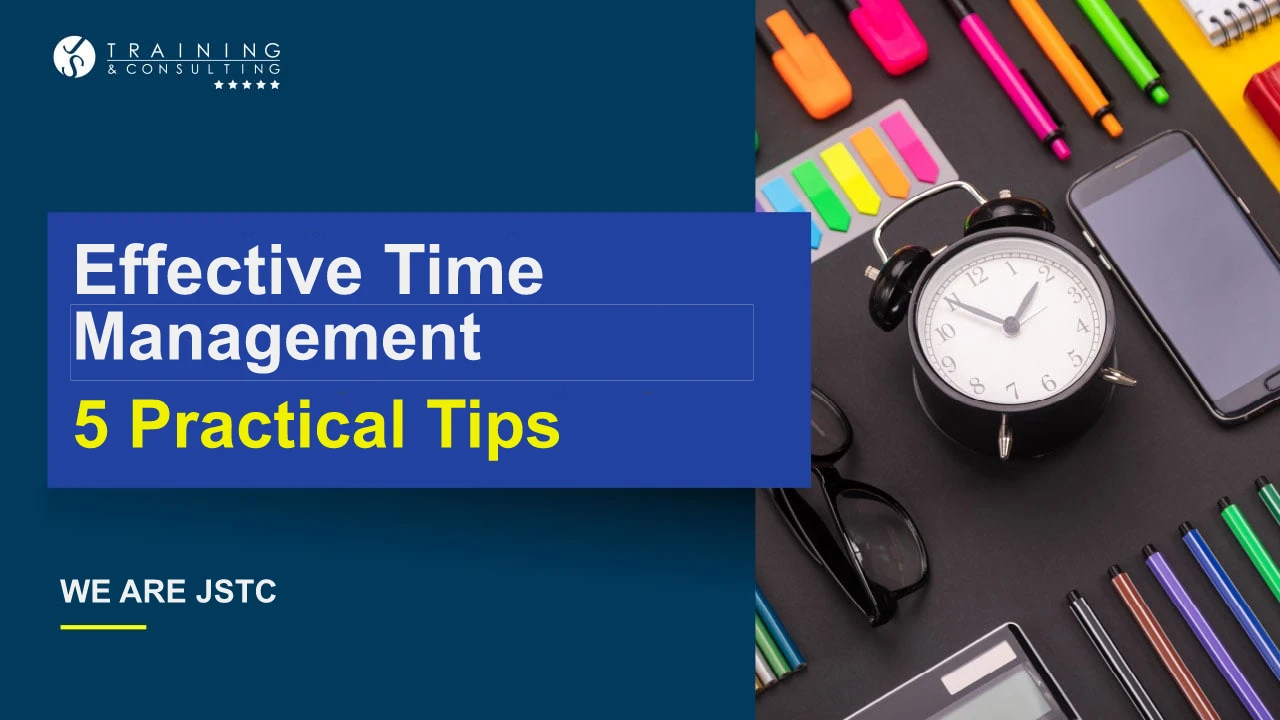
Before adjusting your routine, understand how you currently use your time. You may find it helpful to review our article on Effective Time Management, which covers good practices you can apply today.
Many days are lost reacting to incoming demands instead of progressing with planned work. To prevent urgent tasks from taking control:
- Make a realistic daily plan, not just a wish list.
- Use time blocks in your calendar to focus.
- Review your priorities every morning.
This helps you act intentionally rather than merely react.

What if everything seems important?
Thinking everything is a priority is one cause of disorganization. To overcome it:
- Ask yourself: “What would happen if I did not do this today?”
- Use the 80/20 rule: 20% of your actions generate 80% of the results.
- Consider the long-term impact, not just the short term.
Saying “no” or postponing strategically is part of being productive.
From intention to action: Make it a habit
Knowing techniques is not enough unless you apply them. To integrate prioritization into your routine:
- Set a fixed time to plan each day.
- Evaluate what worked each week.
- Use visual reminders such as sticky notes or task management apps.
- Celebrate real progress, not just busy days.
Conclusion
Productivity is not about running faster, but heading in the right direction. Learning to prioritize what matters gives you clarity, advances your real goals and reduces pressure in your life.
Want to improve your focus, organize your day intentionally and stop feeling overwhelmed?
Explore the Time Management course from Wings E-Training here and transform how you work today.