First and foremost, esteemed reader, there's an imperative rule: Don't lie.
We recruiters have countless approaches, strategies, techniques, tactics and sources of information that help us recognize when someone is lying. It is true that, when job hunting, many of us resort to these tricks because the urgent need for a salary is overwhelming. However, if you put false information on your CV, exaggerate your experience or claim to have been a manager when you were not, there are ways to identify that something is not quite right.
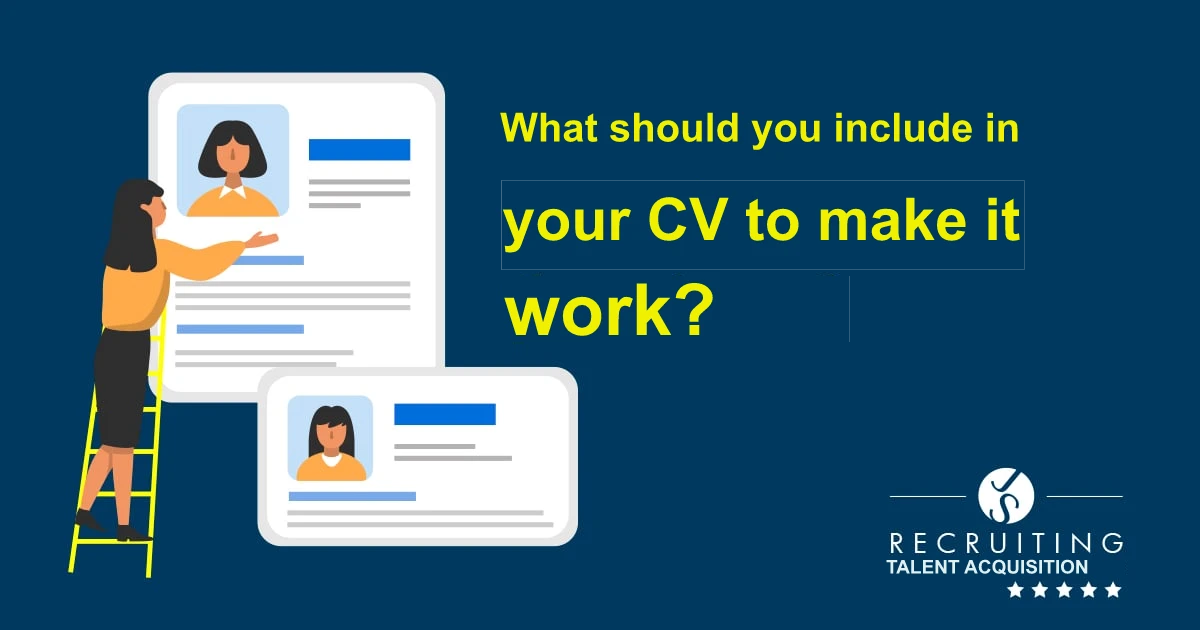
Work carefully on your CV: it is the first contact in recruitment. Believe me, recruiters analyze more than the words alone. Here are recommendations and suggestions, starting at the top of the document and working down:
- It is important to include general information: full name, address including at least your neighborhood, city, and state. Contact telephone numbers and email address. (Note: avoid email addresses such as papichulo@hotmail.com, pervert_baby@gmail.com, if you have something like that, create a new, professional account). I suggest including your mobile number and indicating whether it is for calls and/or WhatsApp.
- Photos matter less and less to recruiters, but I think a photo always helps, provided it is a formal one rather than your Facebook party photo. Where should it go? I suggest the top right, a point of visual attention that readers of your CV will appreciate.
- Career/life objectives: recruiters like to read about people with clearly defined short-, medium- and long-term goals. Avoid copying and pasting from templates found online. Let people know where you see yourself in a certain number of years, what you dream of and what you would like. This conveys transparency and, above all, a plan for life.
- Experience: list your jobs from most recent to earliest; covering at least the last 10 years is more than enough. Which company was it? What were your start and end dates? Give your job title as it was officially classified within the company. This is where many of us start exaggerating and claiming a higher position than we actually held. Next, state your achievements clearly and concisely, whether they were many or few. It is important to know what value you brought to your current or previous employer, followed by a general summary of your activities. Avoid listing routine activities such as reports, administrative work, answering calls or sending emails. Instead, communicate your main responsibilities, which should clearly align with the achievements you have listed.
- Competencies: these are a popular topic in recruitment today and give recruiters a good idea of your strengths. Do not try to provide an endless list. Limit it to your six or seven main, most outstanding competencies—and be honest! If you reach the interview and are asked about them, a professional recruiter will immediately recognize whether they are genuine.
- Academic education: if you have postgraduate qualifications, start there. Which master's degree or doctorate, university and grade average? Next, your undergraduate education. If your highest qualification is a TSU, list only your TSU. If you have only completed high school, that is enough. You do not need to list every single school you attended, all the way back to kindergarten.
- Other studies: Such as? Seminars, diploma programs, technical courses. There is no need to mention that you studied guitar, Cuban cooking, or oil painting—unless, of course, the job you seek is related to that activity.
- Languages: use a metric based on an examination you have taken. Writing “75% spoken English” is no use. How do you know or define what 75% means?
- Software and technical skills: What can you do? What have you mastered? Which and how many software packages do you use? What machines can you program? What equipment can you maintain? Include all of that here. Being able to open a computer does not make you a repair expert. If anything is unclear or untrue, you will only shoot yourself in the foot.
- Today, many recruiters consider it important that you share your social media profiles. Why? They offer evidence of your habits, traditions, friendships and everyday personality. Some people are very reserved about this, which is fine, but believe me, it can help during recruitment. Just avoid negative photos and messages that could become a ticking time bomb for you.
- For your CV’s design, avoid colors, emojis and little illustrations that make it look childish. I know your document looks veeeery pretty, but it will not help much during recruitment. Give it the necessary formality and seriousness without abandoning creativity.
Once again, dear friends, these suggestions can help your CV make a greater impact and stand out. Recruiters receive mountains of CVs for each vacancy. How can yours be distinguished? Make it clear, concise, precise and truthful. Help the reader find essential information about you and your career with a quick visual scan. Remember my words: you will see better results.
Stay alert!