
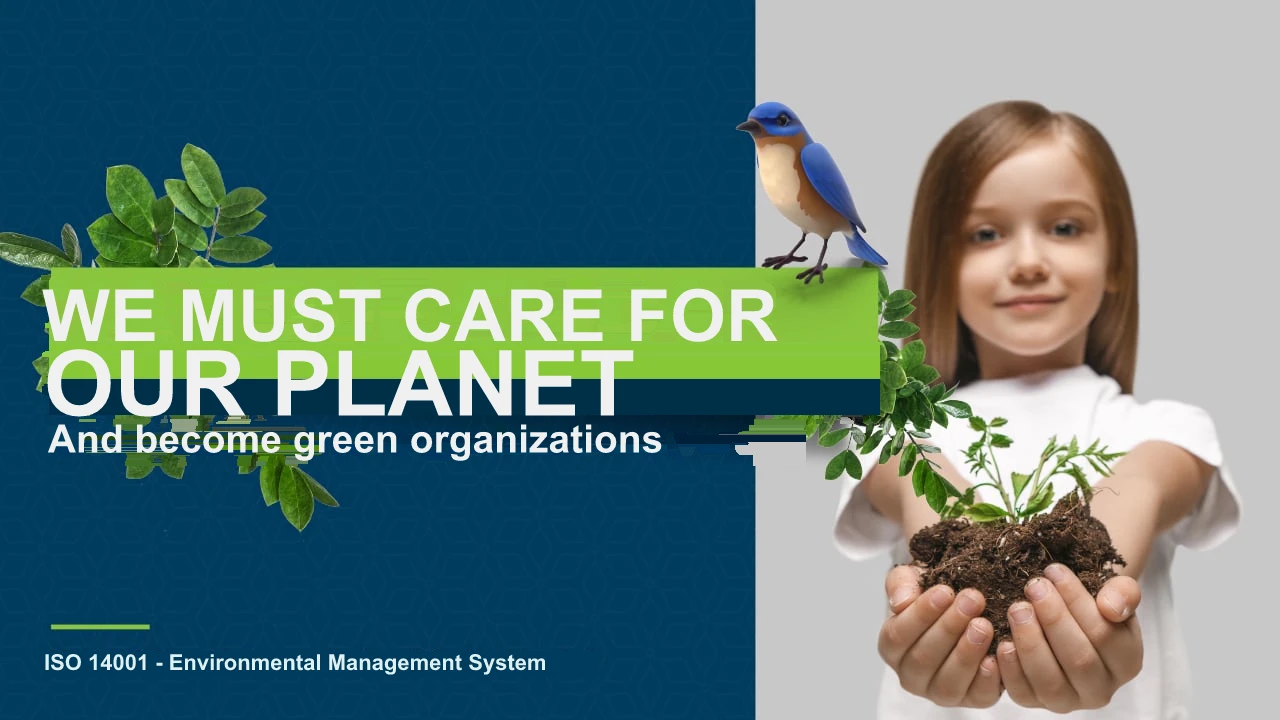
ISO 14001 - Environmental Management System for better care of the planet.
ISO 14001 – Environmental Management System. Caring for the environment is one of today’s critical global issues. Human-caused pollution is already enormous: prolonged droughts, stronger hurricanes, flooding and melting glaciers.
Know ISO 9001: https://jesussanchez.com.mx/la-calidad-a-traves-de-la-norma-iso-9001?curs=formacion-de-auditores-internos-en-iso-90012015
Environmental care today has become a competitive advantage of organisations and they are doing so through the implementation of Environmental Management Systems.
using as a framework mainly that given us by ISO 14001 - Environmental Management System, to protect the environment and to respond to changing environmental conditions.
The implementation of the Environmental Management System
It provides information to organizations to generate long-term success and contribute to sustainable development through the following factors:
- Environmental protection, by preventing or mitigating adverse environmental impacts. Water, air and soil pollution, disappearing ecosystems and loss of plant and animal species are examples of the impacts we seek to prevent.
- Mitigation of potentially adverse effects of environmental conditions on the organization. The effects hurricanes, floods and droughts can have on organizations are among those it seeks to mitigate.
- Support to the organisation in meeting the legal requirements and other requirements, many organizations worldwide establish requirements and criteria for marketing products and services both internationally and domestically. Compliance with all of these is also considered within the Environmental Management System.
- Improving environmental performance. Once implemented, the Management System must be measured and assessed for continuous improvement and the introduction of green actions, such as using renewable resources.
- Control or influence Organizations design, manufacture, distribute, consume and ultimately dispose of products or services using a life cycle perspective. This means identifying all environmental aspects that may have an impact throughout a product or service's life: the consequences of waste generated during manufacturing or service delivery, through to the consequences and effects of disposal once its life cycle ends.
- Realizing benefits financial and operational that may result from implementing environmentally friendly alternatives that strengthen the organization’s market position.
- The communication of information environmental information to relevant interested parties. These include people and organizations interested in our products, services and management of environmental aspects: government bodies, international environmental organizations, our surrounding community and, of course, our employees, among others.
We have to care about our planet and become green organisations, we can help you.
As you can see, caring for the environment is a very important requirement that organizations must consider today. It can be a competitive advantage, but it can also put the business at risk.
We are JS Training & Consulting
Do you want to train online?, get to know WINGS E-TRAINING: https://jstc-wings.com
Until next time